

On this page
What is lactose intolerance?
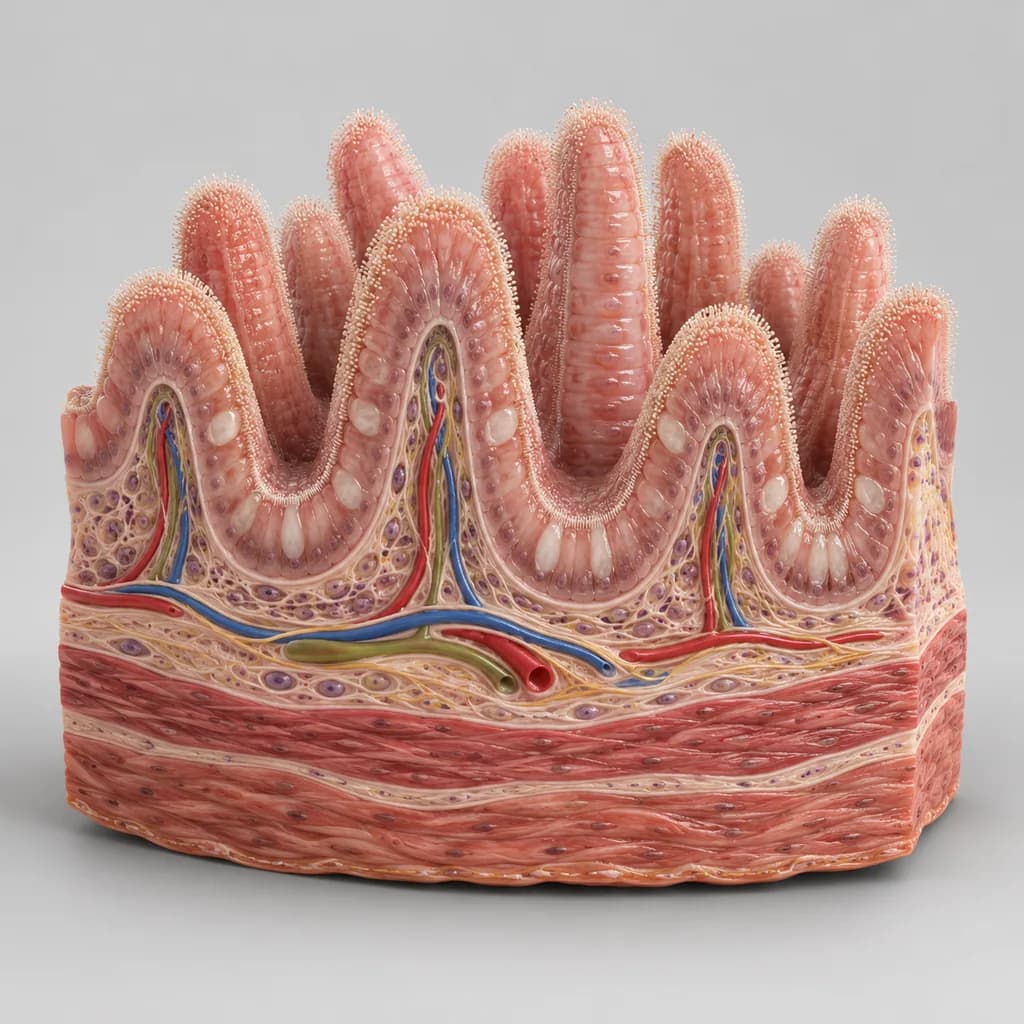
Lactose intolerance means the small intestine makes too little lactase, the enzyme that breaks down the sugar in milk. The undigested lactose reaches the colon, where bacteria ferment it, and the gas and fluid that follow cause the symptoms. It is not a milk allergy. An allergy is an immune reaction to milk protein that can cause hives, wheezing or a dangerous whole-body reaction; lactose intolerance is an enzyme shortage, uncomfortable but not dangerous. Most cases build gradually from the teenage years on (primary lactose intolerance). Lactase can also drop temporarily after a stomach bug or when another condition has inflamed the small intestine, celiac disease among them (secondary lactose intolerance). Being born without the enzyme at all is rare. Our upper GI conditions page covers the related problems.
Symptoms
Symptoms begin 30 minutes to two hours after dairy, and how much a person tolerates varies widely:
- Gas and bloating
- Cramping, or a gurgling, churning belly
- Loose stools or diarrhea
- Nausea, occasionally Some symptoms do not belong to lactose intolerance. Weight loss you did not intend, blood in the stool, anemia, fever, or diarrhea that wakes you at night point somewhere else, as does a family history of celiac disease or inflammatory bowel disease. Have those looked at rather than treating them as a dairy problem. Dropping milk will not fix them, and it can delay the diagnosis that matters.
How lactose intolerance is diagnosed
A dairy-free trial you run yourself is a reasonable first move, but it is not proof.
- History and a proper trial. What you ate, how soon symptoms began, whether small amounts are tolerated. Then two weeks without lactose and a deliberate reintroduction; symptoms that leave and return on cue are meaningful.
- Hydrogen breath testing. The standard test, done at our Main Clinic with a short prep beforehand (see below). Your breath samples are collected here and sent to a laboratory for analysis, so results come back within a few days rather than at the visit itself. You drink a measured lactose solution and breathe into a collection device at intervals; a rise in hydrogen means the lactose reached your colon undigested. A lactose tolerance blood test is a less commonly used alternative. Some people ferment lactose to methane rather than hydrogen, so the numbers are read alongside whether the drink brought your symptoms back.
- Testing the imitators. Celiac blood testing is common here, since the two overlap and celiac disease carries consequences this does not. Keep eating gluten until it is done, and if that blood test is positive, an upper endoscopy with biopsies confirms it. Bacterial overgrowth, another cause of chronic diarrhea, feels much the same.
Treatment
Most people do not need to give up dairy. The goal is finding your threshold and staying under it.
- Portion and timing. Small servings, taken with other food, go down better than milk on an empty stomach.
- The easier dairy. Aged hard cheeses hold very little lactose, and yogurt with live cultures is often handled well.
- Lactose-free milk and lactase tablets. Lactose-free dairy is ordinary milk with the enzyme added; tablets go with the first bite.
- Protect calcium and vitamin D. If dairy drops sharply, replace what it supplied with fortified alternatives, greens, fish with bones or a supplement.
- Treat the underlying cause. When intolerance follows an intestinal illness or untreated celiac disease, tolerance often returns as the lining of the small intestine recovers.
What to expect at your visit
Bring a few days of notes on what you ate and when symptoms followed. Dr. Ihab Herraka will go through the pattern, examine you, and decide which testing is worth doing. If celiac disease is on the list of things to rule out, it often is, because the symptoms overlap, keep eating gluten until you have been tested. Cutting it out first is the single most common reason a celiac test comes back falsely negative. If the picture points toward IBS instead, we say so.
Cost & insurance
Office visits and breath testing are covered by most plans when medically indicated, though plans handle breath testing differently, so our staff checks your benefits first. We accept most major plans, including Medicare and both Arkansas and Oklahoma Medicaid. The full list is on our insurance page.
Frequently asked questions
What is the test for lactose intolerance?
A hydrogen breath test. You drink a measured dose of lactose, then breathe into a collection device at intervals over a few hours. If the lactose is not digested in the small intestine, bacteria in the colon ferment it and hydrogen shows up in your breath.
Is lactose intolerance the same as a milk allergy?
No. A milk allergy is an immune reaction to milk protein that can cause hives, swelling, wheezing or a severe whole-body reaction, and it usually starts in early childhood. Lactose intolerance is an enzyme shortage: it causes gas, bloating and diarrhea, is not dangerous, and usually still allows some dairy.
Can lactose intolerance start in adulthood?
Yes, and that is the usual pattern. Lactase production declines naturally after childhood, so symptoms often begin in the teens, twenties or later. It can also fall for a while after a stomach infection.
How do I know if it is lactose intolerance, IBS or celiac disease?
Often you cannot tell from symptoms alone, which is the reason to be tested. All three cause bloating, cramping and loose stools. Celiac disease is confirmed with blood testing and a biopsy, irritable bowel syndrome is diagnosed from the pattern of symptoms once other causes have been ruled out, and lactose intolerance with a breath test.
How do I prepare for lactose intolerance testing?
Fast for several hours beforehand, avoid antibiotics in the weeks prior if possible, and skip high-fiber foods and smoking the day before, since all of these can affect the result. We will give you exact instructions when the test is scheduled.
Do I have to avoid dairy completely?
Usually not. Most people handle small amounts, especially with meals, and tolerate aged cheeses and cultured yogurt well. Lactose-free milk and lactase tablets fill most of the gap. Replace the calcium and vitamin D dairy was supplying if you cut it out.
Get tested for lactose intolerance in Fort Smith
If dairy has become a problem, or symptoms have not settled on a dairy-free diet, find out what is actually going on. Call the Digestive & Liver Center of Arkansas Main Clinic at (479) 242-2888 or request an appointment. Dr. Herraka sees patients at 3416 Old Greenwood Rd, Fort Smith, AR 72903, Monday through Friday, 8:00 to 5:00, and welcomes patients from Poteau, Sallisaw and across eastern Oklahoma.