
On this page
- What is fatty liver disease (MASLD)?
- Why the name changed from NAFLD to MASLD
- What causes fatty liver, and who is at risk
- Symptoms: usually there are none
- Who should be screened
- How fatty liver is diagnosed and staged
- Complications and outlook
- Your treatment plan
- What reversal actually looks like over 6 to 12 months
- Cost & insurance
- Frequently asked questions
- Get your liver checked in Fort Smith
Fatty liver disease means extra fat has built up inside your liver cells, and it is the liver problem we see most in Fort Smith. Caught early it is often reversible. What matters is how much scarring has formed, and a ten-minute FibroScan in our office measures that without a biopsy.
What is fatty liver disease (MASLD)?
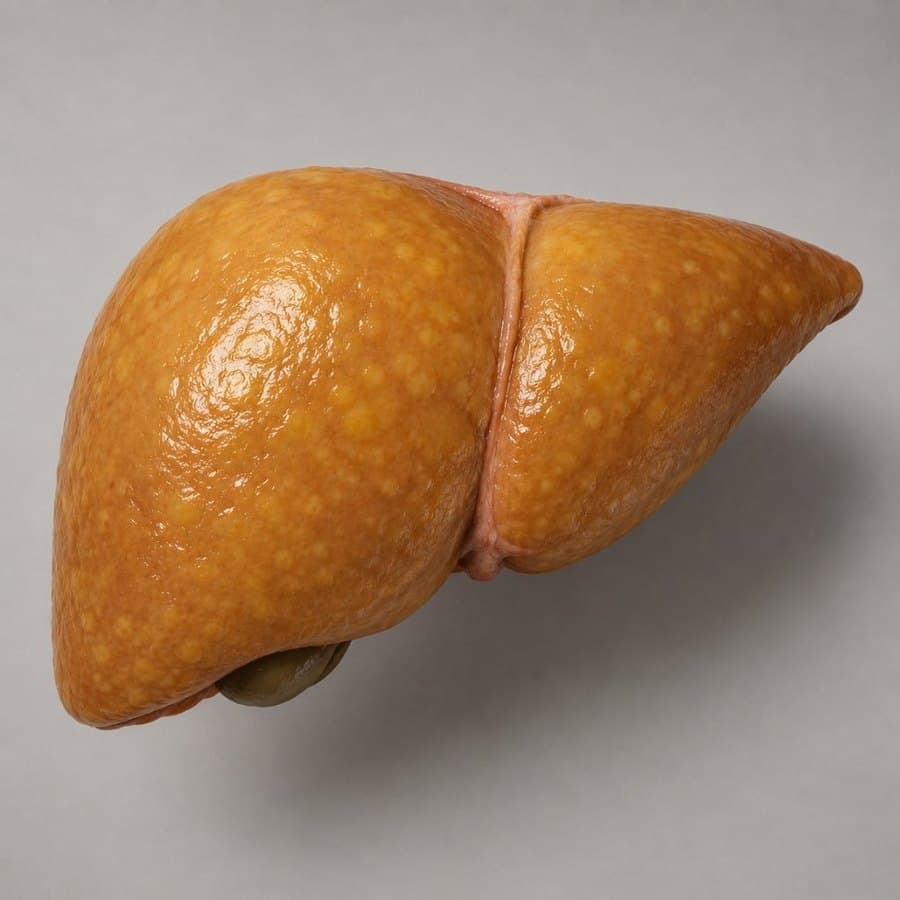
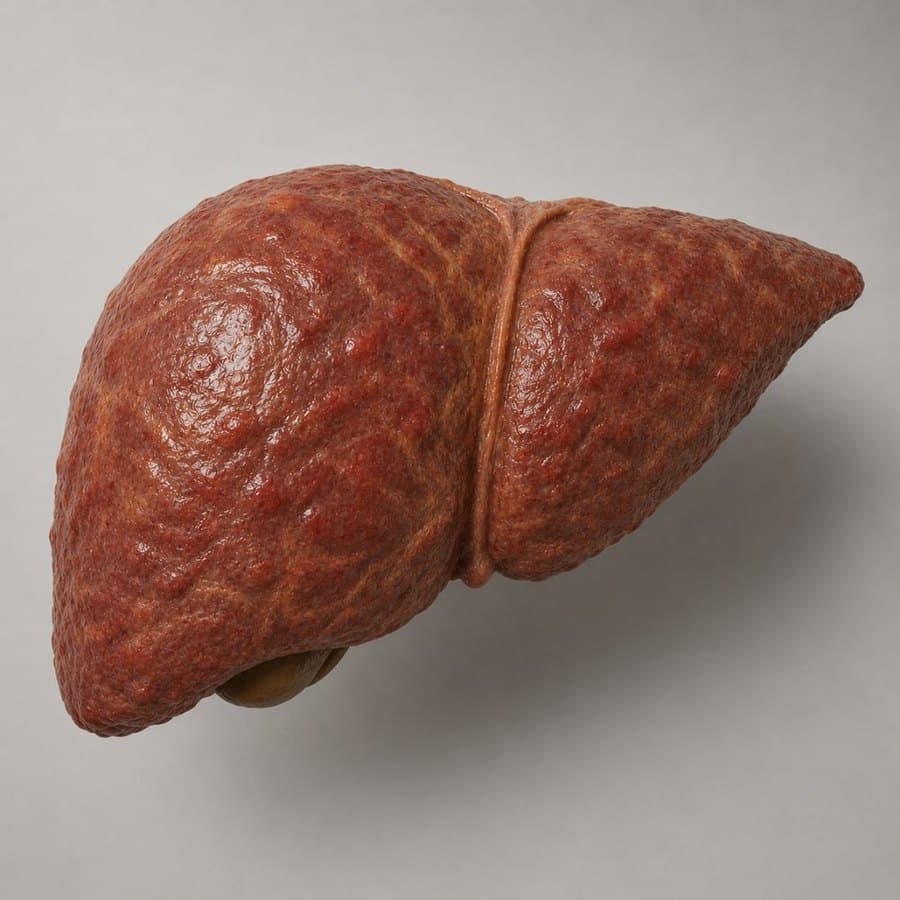
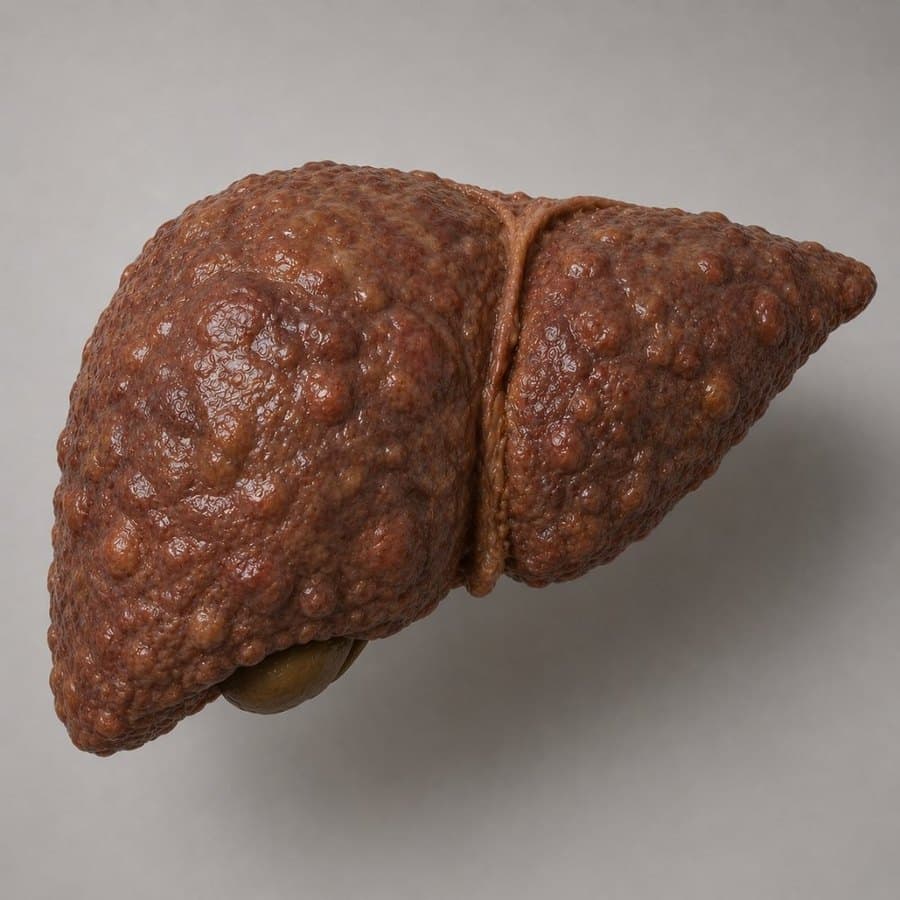
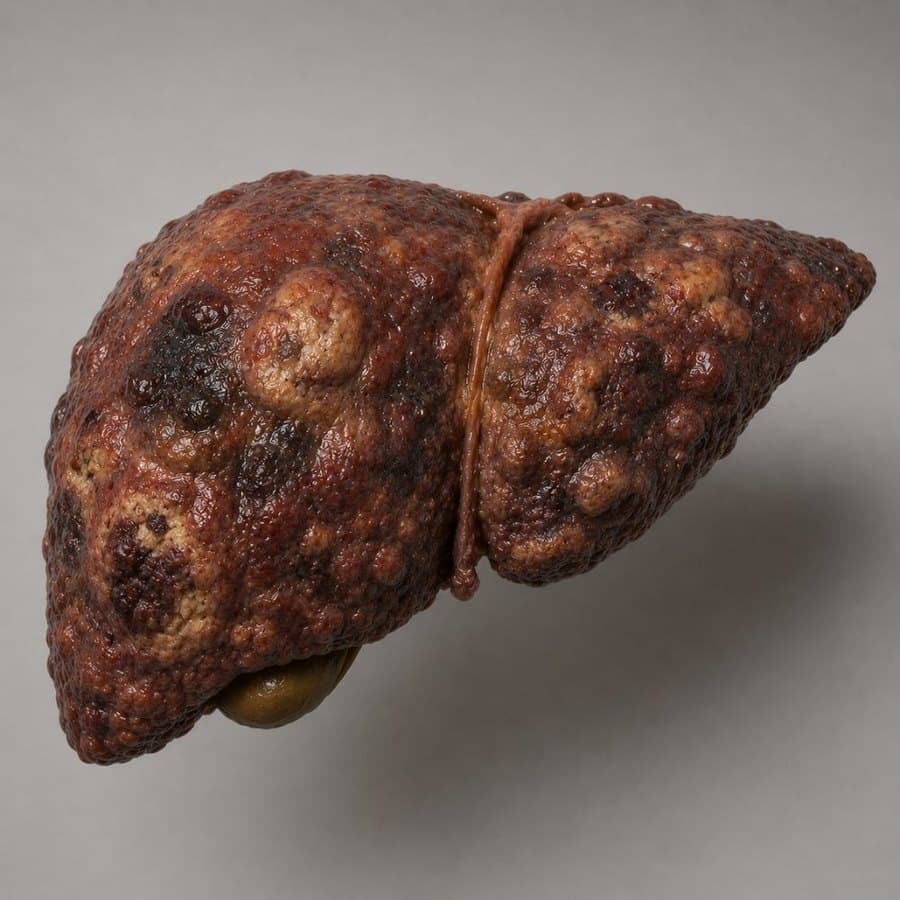
Fatty liver disease means extra fat has built up inside your liver cells. As a fatty liver doctor in Fort Smith, we see this condition more than any other liver problem. When that fat is tied to metabolic health, extra weight, insulin resistance, high blood sugar, high triglycerides, or high blood pressure, it is now called MASLD, short for metabolic dysfunction–associated steatotic liver disease. You may know it by its older name, NAFLD. A small amount of fat in the liver does little harm. The problem is what it can lead to. In some people the fat sits quietly for decades. In others it triggers inflammation and injury to liver cells (that stage is called MASH), and the liver responds by laying down scar tissue, called fibrosis. Enough scarring over enough years becomes cirrhosis, which is permanent. This is common. Estimates drawn from national health survey data put fatty liver in roughly one in four to one in three American adults, and Arkansas carries higher-than-average rates of obesity, type 2 diabetes, and high blood pressure, the exact conditions that drive it. Many people in the River Valley have it and do not know. The encouraging part is that MASLD is one of the most treatable conditions in gastroenterology, especially when it is caught before heavy scarring sets in. The liver has a genuine ability to repair itself when the pressure is taken off it.
Why the name changed from NAFLD to MASLD
The condition did not change. The name did, in 2023, and it changed for a good reason. The old term, NAFLD (nonalcoholic fatty liver disease), described the illness by what it was not. It told you the fat was not from alcohol, but said nothing about what actually caused it. Patients often heard "nonalcoholic" and assumed the diagnosis was minor. The new terms name the real cause:
- MASLD: metabolic dysfunction–associated steatotic liver disease: fat in the liver, linked to metabolic health.
- MASH: metabolic dysfunction–associated steatohepatitis, formerly NASH: the same fat, now with inflammation and liver-cell injury.
- Hepatic steatosis: the phrase your radiologist uses on an ultrasound, CT, or MRI report. It simply means a fatty liver. If your chart says NAFLD and a newer note says MASLD, you have not been given a second diagnosis. It is the same condition under a clearer name. MASLD, MASH, and their alcohol-linked relatives now sit together under one umbrella term, steatotic liver disease. MetALD describes fatty liver where both metabolic risk factors and moderate alcohol use play a role, and alcohol-related liver disease describes fatty liver driven mainly by alcohol. The conditions can look alike on imaging, which is why the history you give us at your visit, including an honest account of alcohol use, matters as much as the scan.
What causes fatty liver, and who is at risk
Fatty liver develops when your body makes and stores more fat than your liver can process, usually because of insulin resistance, a state where your cells stop responding well to insulin and your body compensates by making more of it. The risk factors that matter most:
- Type 2 diabetes, prediabetes, or insulin resistance, the single strongest association
- Excess weight, especially around the abdomen
- Metabolic syndrome
- High triglycerides or low HDL cholesterol
- High blood pressure
- Obstructive sleep apnea and polycystic ovary syndrome (PCOS)
- A family history of fatty liver, cirrhosis, or liver cancer A few things are worth saying plainly. You do not have to be heavy to have MASLD; a meaningful number of patients are at a normal weight. Alcohol-related liver disease is a separate cause of fatty liver, and alcohol on top of MASLD damages the liver faster than either alone. And certain medications can add liver fat, which is one reason we review your full medication and supplement list at your visit.
Symptoms: usually there are none
Most people with fatty liver feel completely fine. That is the hardest part of this disease and the reason it is often found by accident. When symptoms do appear, they tend to be:
- Fatigue or low energy that does not improve with rest
- A dull ache or fullness under the right ribs
- Elevated ALT or AST on routine bloodwork, with no symptoms at all Because it is silent, most patients arrive here one of two ways: a lab result surprised their primary care provider, or an ultrasound ordered for gallbladder or abdominal pain mentioned "fatty liver" in passing. Either one is a good reason to be evaluated. If you are chasing down abnormal labs, our page on elevated liver enzymes explains what those numbers do and do not mean. Symptoms of advanced liver disease are different and need prompt attention: yellowing of the eyes or skin, dark urine, a swelling belly or legs, easy bruising, confusion, vomiting blood, or black tarry stools. Seek urgent care or call 911 for these.
Who should be screened
Screening is worth discussing with your provider if you have type 2 diabetes or prediabetes, obesity or excess weight around the abdomen, metabolic syndrome, or two or more of the risk factors listed above. It is also worth a visit if fatty liver or hepatic steatosis was ever mentioned on an ultrasound, CT, or MRI report, even in passing, or if a family member has cirrhosis or liver cancer. Primary care providers often start screening with liver enzymes and a FIB-4 score; either one can be the reason for a referral here.
How fatty liver is diagnosed and staged
Diagnosing fatty liver is easy. Staging it, finding out how much inflammation and scarring is present, is the part that actually changes your care, and it is what a specialist visit is for. At Digestive & Liver Center of Arkansas, the evaluation follows the same careful sequence for every patient:
- A full history. Your weight history, alcohol use, diabetes and cholesterol history, medications and supplements, and family history. Several liver conditions look identical on a lab report and can only be separated by history and targeted testing.
- Focused bloodwork. Liver enzymes (ALT and AST), a metabolic panel, lipids, and HbA1c or blood sugar. We also test for viral hepatitis, autoimmune liver disease, iron overload, and other causes, because "fatty liver" should never be assumed just because it is the most common answer.
- A FIB-4 score. A simple calculation using your age, platelet count, and two liver enzymes that gives a first estimate of whether meaningful scarring is likely.
- FibroScan. A painless in-office scan, about 10 minutes, that measures liver stiffness (scarring) and liver fat at the same time. No needles, no sedation, and you drive yourself home.
- Staging. Your fibrosis is placed on the standard F0 to F4 scale: F0 is no scarring, F1 and F2 are mild to moderate, F3 is advanced but not yet cirrhosis, and F4 is cirrhosis. A liver biopsy is rarely needed now. We reserve it, or a referral for one, for the small number of cases where the non-invasive results conflict or where the answer would genuinely change your treatment. Why the stage matters so much: the amount of scarring, more than the amount of fat, predicts your long-term liver risk. Two patients with an identical ultrasound report can be in very different situations, and only staging tells them apart. If your testing shows inflammation and scarring, your care moves to the MASH and liver fibrosis pathway, which is more active.
Complications and outlook
Left untreated, MASLD can progress in a minority of patients to MASH, then to fibrosis, and over enough years to cirrhosis and, rarely, liver cancer. That progression typically takes years to decades, and most people with MASLD never reach cirrhosis, especially when it is caught and managed early. The bigger everyday risk for most patients is cardiovascular: MASLD travels with heart disease and type 2 diabetes, and for many patients a heart attack or stroke is a larger threat than the liver itself. Death directly from fatty liver disease is uncommon and is almost always tied to advanced cirrhosis or liver cancer, which is exactly why staging your fibrosis matters more than knowing you simply "have a fatty liver."
Your treatment plan
There is no pill that erases a fatty liver on its own. Treatment works by removing what is feeding it, and done properly, it works well. Weight and nutrition. This is the core of treatment. Losing roughly 3 to 5 percent of your body weight often reduces liver fat. Around 7 to 10 percent is where inflammation tends to improve, and 10 percent or more gives the best chance of improving scarring. A Mediterranean-style pattern of eating, vegetables, fruit, whole grains, fish, olive oil, nuts, with far less added sugar, sugary drinks, and ultra-processed food is the pattern with the most evidence behind it. Weight should come off steadily; very rapid loss can stress the liver. Activity. Roughly 150 minutes a week of moderate movement, brisk walking counts, lowers liver fat even when the scale barely moves. Adding some resistance training helps insulin resistance further. Treating the drivers. Tight control of blood sugar, blood pressure, and cholesterol is liver treatment, not a separate errand. Because Dr. Herraka is board-certified in gastroenterology, internal medicine, and obesity medicine, these are managed alongside your liver rather than in another office. Medication when it is appropriate. For patients who qualify, medically supervised weight loss may include GLP-1 medicines such as semaglutide or tirzepatide, which reduce appetite, improve blood sugar, and target the visceral fat tied to liver disease. Certain diabetes medicines are chosen with the liver in mind. In selected patients, other medications such as vitamin E or pioglitazone may be considered. And for adults with MASH and moderate-to-advanced fibrosis (stages F2 to F3), resmetirom (Rezdiffra) is an FDA-approved therapy used together with diet and exercise. Whether any of these fits you is a decision made after your evaluation, never in advance. Alcohol. Cutting back sharply, or stopping, is one of the most direct favors you can do your liver, even when alcohol is not the cause of your fatty liver. What to skip. No supplement, detox tea, or cleanse has been shown to reverse fatty liver, and some herbal products injure the liver. Bring the bottles to your visit and we will go through them together.
What reversal actually looks like over 6 to 12 months
Real improvement is measurable, gradual, and boring in the best way. Here is the honest timeline most patients experience when they stick with the plan.
- Weeks 1 to 6. Nothing dramatic. Blood sugar and energy often shift first. This is the stretch where people quit, so we schedule early check-ins on purpose.
- Months 2 to 3. Liver enzymes commonly begin to fall. Waist measurement and blood sugar usually improve before the scale looks impressive.
- Months 4 to 6. With sustained weight loss in the 5 to 10 percent range, liver fat typically drops. Many patients repeat labs at this point, and some repeat a FibroScan to check the fat measurement.
- Months 6 to 12. This is where inflammation calms down for many patients and where the fat measurement on FibroScan can change substantially. Scarring moves slowest of all; improvement in fibrosis is usually measured over a year or more, not months. A few honest caveats. Results vary from person to person, and no physician can guarantee that your scarring will improve. Progress can stall, in which case the plan changes rather than repeats. And the improvement lasts only as long as the habits and treatment do: liver fat comes back when the weight does. This is ongoing care, not a single fix, which is why we keep rechecking rather than discharging you with a pamphlet.
Cost & insurance
Office visits and diagnostic testing for fatty liver disease, including FibroScan, are covered by most major insurance plans in Arkansas and Oklahoma when they are medically indicated. Coverage for weight-loss medications is the piece that varies most between policies, and some plans require prior authorization. We accept most major plans, including Medicare and both Arkansas and Oklahoma Medicaid. The full list is on our insurance page. Self-pay pricing is available for elective services. Our staff verifies your benefits before your appointment and tells you what to expect, so there are no surprises after the fact. For most plans a referral is not required. Call (479) 242-2888 if you want your coverage checked before you schedule.
Frequently asked questions
Is fatty liver disease serious?
It depends entirely on your stage, which is why staging matters. For many people, fatty liver stays stable for years and is managed with weight, blood sugar, and cholesterol control. For others, it progresses quietly to inflammation and scarring. The only way to know which group you are in is testing: a FIB-4 score and a FibroScan, interpreted together with your labs.
What is the difference between NAFLD, MASLD, MASH, and cirrhosis?
NAFLD and MASLD are the same condition, old name and new. MASH is the more active stage, with inflammation and injury added. Cirrhosis is fibrosis at its most advanced, F4.
Should people be screened for MASLD?
Yes, if you carry the risk factors above. There is no blanket recommendation to screen every adult, but anyone with type 2 diabetes, obesity, or an incidental "fatty liver" mention on imaging should be checked with liver enzymes and, when appropriate, a FIB-4 score or FibroScan.
Can you die from steatotic liver disease?
Death from MASLD itself is uncommon and generally comes from long-term complications, cirrhosis or liver cancer, rather than the fatty liver stage. The more common way the disease shortens life is indirectly, through the heart disease and diabetes that travel with it. This is why we treat the metabolic picture, not just the liver number.
What can you do if you think you have a fatty liver?
Ask your primary care provider for liver enzymes and a metabolic panel, or call us directly to schedule an evaluation. Bring any prior ultrasound, CT, or MRI reports. Most plans do not require a referral, and FibroScan is done on site the same visit for many patients.
Can I drink alcohol if I have a fatty liver?
We generally recommend cutting back significantly or stopping. MASLD is defined as fat that is not caused by alcohol, but that does not make alcohol safe on top of it. A liver that is already inflamed handles alcohol poorly, and the combination raises the risk of scarring. If you have advanced fibrosis or cirrhosis, the advice is to avoid alcohol entirely.
How much weight do I need to lose to help my liver?
Less than most people expect. Losing about 3 to 5 percent of your body weight often reduces liver fat, and 7 to 10 percent is associated with improvement in inflammation. Greater and sustained loss offers the best chance of improving scarring. For a 220-pound adult, 5 percent is about 11 pounds, a real goal, not an impossible one. Slow and steady also protects the liver better than a crash diet.
Do I need a liver biopsy?
Usually not. Between blood-based scoring and FibroScan, most patients can be staged accurately without one. We consider a biopsy only when the non-invasive tests disagree, when an unusual diagnosis is suspected, or when the result would genuinely change your treatment.
How often will I need to be rechecked?
It depends on your stage. Many patients with early disease repeat labs every 6 to 12 months and repeat a FibroScan about once a year. Patients with more advanced fibrosis are followed more closely. We set your schedule at your first visit and adjust it as your numbers move. You can see the full range of services in our liver program.
Does fatty liver affect anything besides my liver?
Yes, and this is worth knowing. MASLD travels with heart disease and type 2 diabetes, and for many patients heart disease is the larger long-term risk. Treating the liver by treating weight, blood sugar, blood pressure, and cholesterol lowers all of those risks at the same time.
Get your liver checked in Fort Smith
If a lab result or an ultrasound has raised the question of fatty liver, the next step is finding out your stage, and whether anything is progressing. Call Digestive & Liver Center of Arkansas at (479) 242-2888 to request an evaluation, or come see us at 3416 Old Greenwood Rd, Fort Smith, AR 72903, Monday through Friday, 8:00 to 5:00. We care for patients across the River Valley, from Van Buren, Greenwood, Alma, Barling, and Charleston to Poteau and Sallisaw, and for most plans no referral is needed.