

On this page
What is chronic diarrhea?
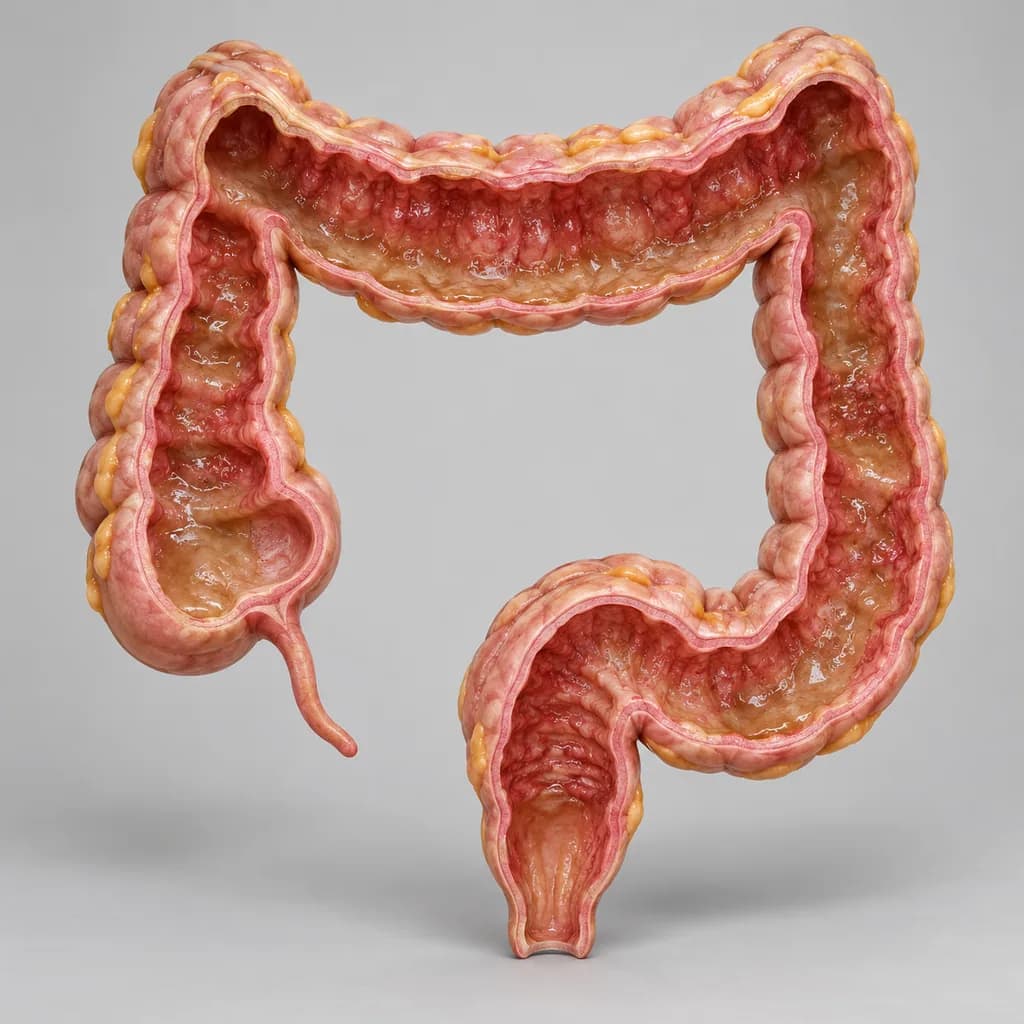
Chronic diarrhea is loose or watery stools that last longer than four weeks, rather than the few days a stomach bug takes to pass. It is a symptom, not a diagnosis, and it deserves a real work-up. Dr. Ihab Herraka, a chronic diarrhea doctor in Fort Smith, finds the cause at our Main Clinic. The list of causes is long, which is why guessing does not work. Infections, celiac disease, food intolerances, inflammatory bowel disease, microscopic colitis, IBS, bile acid diarrhea after gallbladder removal, small intestinal bacterial overgrowth (SIBO), medications, an underactive pancreas, C. diff or Giardia infection, and an overactive thyroid can all produce the same daily pattern.
What type is mine?
Describing what the stool looks like helps narrow the possibilities before testing even starts.
- Watery diarrhea points toward an infection, IBS, bile acid diarrhea, a medication side effect, or an osmotic cause such as a sugar or sweetener the gut is not absorbing.
- Fatty diarrhea, pale, greasy stool that floats or is hard to flush, points toward a problem absorbing fat, such as celiac disease or an underactive pancreas.
- Inflammatory diarrhea, often with blood, mucus, fever or weight loss, points toward inflammatory bowel disease, microscopic colitis, or an infection such as C. diff. This is a starting point, not a diagnosis. The pattern guides which tests come first.
Symptoms
Diarrhea means stools looser or more frequent than is normal for you. The pattern around it tells us the most.
- Loose or watery stools on most days for more than four weeks
- Urgency, or accidents you cannot control
- Cramping, bloating or excess gas
- Pale, greasy stools that float or are hard to flush
- Symptoms that follow certain foods, particularly dairy or wheat See a doctor promptly if you have any of the following:
- Blood in the stool, or black, tarry stools
- Fever along with the diarrhea
- Unexplained weight loss
- Diarrhea that wakes you from sleep
- Signs of dehydration, such as dizziness, dry mouth, or dark and scant urine
- Severe abdominal pain
- Diarrhea that started after a hospital stay or a course of antibiotics
How chronic diarrhea is diagnosed
The work-up is methodical, and built around your history. At the Main Clinic it usually includes:
- A detailed history and exam. When it started, what the stool looks like, whether it wakes you at night, what you eat, recent antibiotics or travel, everything you take, and whether your gallbladder has been removed.
- Targeted bloodwork. A blood count for anemia, inflammation markers, thyroid testing, and blood tests for celiac disease, which is easy to miss and treated very differently. A positive celiac blood test is confirmed with an upper endoscopy and duodenal biopsy, the test that establishes the diagnosis.
- Stool testing. Studies for infection when the story suggests one, plus fecal calprotectin, which measures inflammation in the bowel and helps separate inflammatory bowel disease from IBS.
- Colonoscopy with biopsies. Done in our on-site endoscopy center when red flags are present, when testing suggests inflammation, or when the cause is still unclear. The biopsies matter: microscopic colitis leaves the colon looking normal and is found only under the microscope.
- Testing for a specific suspicion. Breath testing for lactose intolerance or bacterial overgrowth, and imaging in selected cases. Crohn's disease and ulcerative colitis, described on our IBD specialist Fort Smith page, are among the diagnoses we confirm or exclude. Medications are a common and easily missed cause, so bring the actual bottles, including anything over the counter.
Complications
Diarrhea that has gone on for weeks is not only uncomfortable; it can lead to real complications if the cause is not addressed.
- Dehydration. Ongoing fluid loss can cause dizziness, dry mouth and low blood pressure, and it is the reason severe or worsening diarrhea needs prompt attention rather than a wait-and-see approach.
- Malnutrition. When the small intestine cannot absorb nutrients properly, as can happen with celiac disease or bacterial overgrowth, weight loss and vitamin deficiencies can follow.
- Anemia. Ongoing blood loss from inflammation, or poor iron absorption from a condition like celiac disease, can lower your blood count over time even without visible bleeding.
Treatment
Treatment follows the diagnosis, which is why the work-up comes first. In the order a specialist usually works through them:
- Treat the cause. Celiac disease responds to a strict gluten-free diet, inflammatory bowel disease to medicines that control inflammation, microscopic colitis to its own targeted therapy, and an infection to the appropriate treatment. This is where lasting improvement comes from.
- Adjust the medications contributing to it. Magnesium-containing antacids and supplements, metformin and certain other prescriptions loosen stools. We coordinate any change with the physician who prescribed it.
- Remove dietary triggers. A trial without lactose, or without the sugar alcohols in sugar-free gum, candy and some supplements, settles a surprising number of cases. Caffeine and alcohol add to it.
- Bile acid binders when the diarrhea began after gallbladder removal, a recognized pattern that usually responds well.
- Soluble fiber and fluids. A daily psyllium supplement adds form to loose stool, and fluids containing salt and sugar rehydrate better than water alone.
- Anti-diarrheal medicine for symptom control, once infection and inflammation have been ruled out. It is not appropriate with fever or bloody stools, which is one reason self-treating for months is a poor plan.
What to expect at your visit
Your first appointment is mostly conversation: when the diarrhea started, how it behaves, what you eat, your surgical history, and everything you take. An exam follows, and blood and stool testing can usually be arranged the same day. You leave with a working diagnosis or a short list of possibilities, the tests that will settle it, and something to do in the meantime. If a colonoscopy is needed, we schedule it and go through the prep with you.
Cost & insurance
Office visits and the testing used to evaluate chronic diarrhea are covered by most plans when medically necessary. We accept most major plans, including Medicare and both Arkansas and Oklahoma Medicaid. The full list is on our insurance page. Our staff verifies your benefits before your appointment and tells you if prior authorization is needed.
Frequently asked questions
How long does diarrhea have to last before I should be seen?
Four weeks is the usual dividing line between an acute illness and chronic diarrhea that needs investigating. Come in sooner if you have blood in the stool, fever, weight loss, diarrhea that wakes you at night, or signs of dehydration. Those features change the urgency regardless of how long it has been going on.
Could this just be IBS?
It might be, and IBS with diarrhea is common. But IBS is diagnosed after the conditions that mimic it have been considered, not before. Celiac disease, microscopic colitis and inflammatory bowel disease produce the same daily pattern, and blood and stool testing separates them. Read more on our IBS specialist Fort Smith page.
I had my gallbladder removed and have had diarrhea ever since. Is that related?
Very likely. Without a gallbladder, bile flows into the intestine continuously instead of in timed releases, and the extra bile acid can cause watery diarrhea, often soon after eating. It is a recognized pattern that usually responds well to a medicine that binds bile acid. Tell us about the surgery at your visit.
Do I need a colonoscopy to find the cause?
Not always. Many causes are identified with history, bloodwork and stool testing alone. A colonoscopy with biopsies is recommended when there are red flags such as bleeding or weight loss, when testing points to inflammation, when the cause remains unclear, or when you are 45 or older and due for colon cancer screening.
Should I go gluten-free to see if it helps?
Not before you are tested. Starting a gluten-free diet can make celiac testing falsely normal, and the answer is then lost. Keep eating gluten until the blood test and, if it is indicated, the confirming small-bowel biopsy are done. Our celiac disease page explains the testing.
See a diarrhea specialist in Fort Smith
Call the Digestive & Liver Center of Arkansas Main Clinic at (479) 242-2888 or request an appointment online to see Dr. Ihab Herraka at 3416 Old Greenwood Rd, Fort Smith, AR 72903, Monday through Friday, 8:00 to 5:00. We care for patients from Fort Smith, Van Buren, Greenwood, Alma, Barling, Charleston and Ozark, and from Poteau, Sallisaw and eastern Oklahoma, where Oklahoma Medicaid is accepted.