
On this page
- What is a colonoscopy?
- Why a colonoscopy is both a test and a treatment
- Who needs a colonoscopy, and at what age?
- Scheduling: most patients do not need a referral
- How to prepare for your colonoscopy
- Sedation: what to expect
- The day of your colonoscopy, hour by hour
- Recovery and the rest of your day
- Your results and when your next colonoscopy is due
- Is a colonoscopy safe?
- Cost & insurance
- Frequently asked questions
- Schedule your colonoscopy in Fort Smith
A colonoscopy examines the whole lining of your colon and rectum while you rest under sedation, and most take under 45 minutes. Dr. Herraka performs them in the practice's own endoscopy suite in Fort Smith. Screening now starts at 45 for average risk, and most patients need no referral.
What is a colonoscopy?
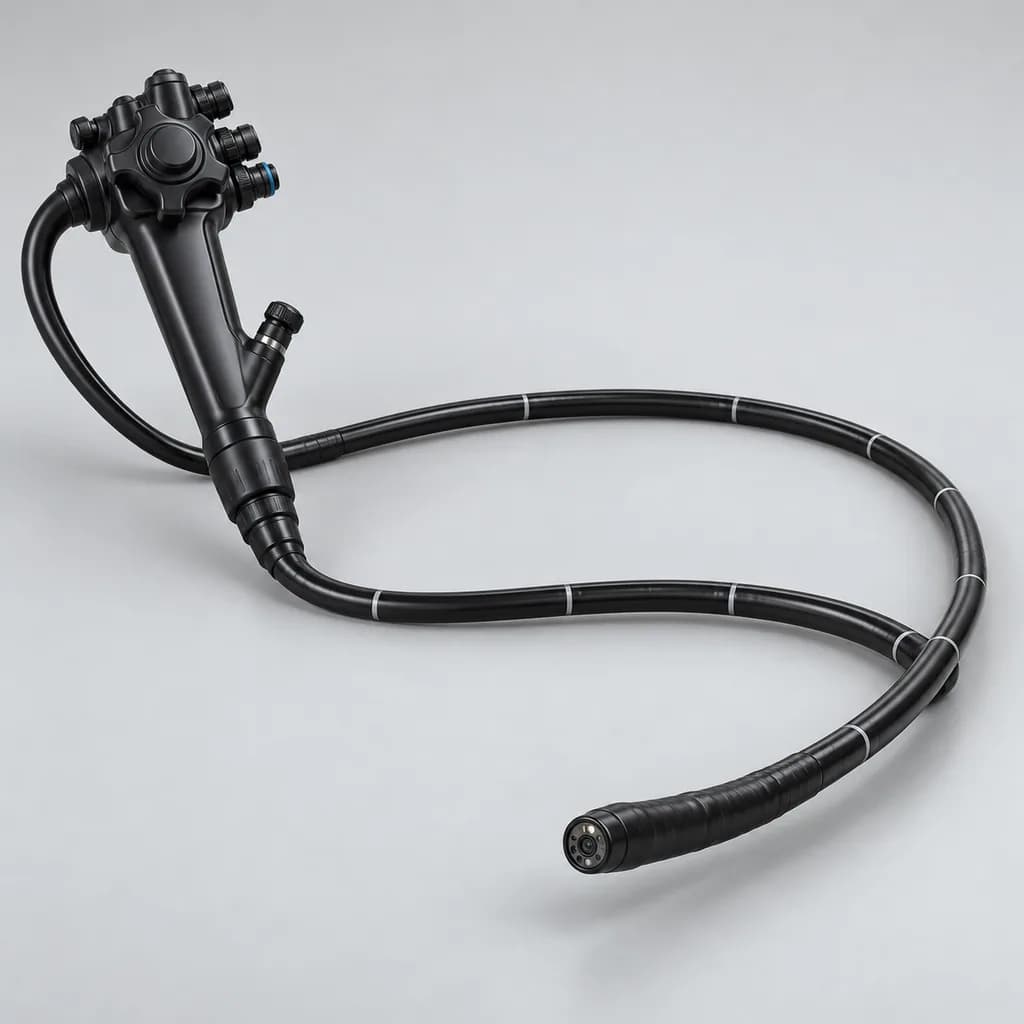
A colonoscopy is a short exam that lets your doctor look at the entire lining of your colon (large intestine) and rectum while you rest comfortably under sedation. Most colonoscopies take less than 45 minutes. Your doctor uses a colonoscope, a soft, flexible tube about as thick as your finger with a light and a small camera at the tip. The camera sends a clear picture to a video screen, so every fold of the colon wall can be checked carefully. At Digestive & Liver Center of Arkansas, Dr. Ihab Herraka performs colonoscopies in our own on-site endoscopy suite at 3416 Old Greenwood Rd in Fort Smith. You see the same doctor for your visit, your procedure, and your results.
Why a colonoscopy is both a test and a treatment
Colonoscopy is the only common colon test that can find a problem and fix it in the same appointment. Most colon cancers begin as a colon polyp, a small growth on the inside lining of the colon, and polyps can be removed during the exam before they ever have the chance to turn into cancer. If Dr. Herraka finds a polyp, he passes a tiny instrument through the scope and removes it right then, and you feel nothing. The polyp is sent to a lab so we know exactly what type it was. Colonoscopy can also stop active bleeding, take small tissue samples (biopsies) to explain ongoing diarrhea or pain, and open up narrowed areas. That is why it remains the test of choice when you have symptoms, and why it is the follow-up test after any abnormal stool test.
Who needs a colonoscopy, and at what age?
If you are an average-risk adult, colon cancer screening should begin at age 45. See colon cancer screening for why the recommended starting age changed. You should talk with us about starting earlier than 45 if you have:
- A parent, brother, sister, or child who had colorectal cancer or advanced polyps
- A known inherited condition such as Lynch syndrome or familial adenomatous polyposis
- Crohn's disease or ulcerative colitis affecting the colon
- A personal history of polyps or colorectal cancer
- Radiation treatment to the abdomen or pelvis in the past You may also need a colonoscopy at any age, no matter your screening schedule, if you have warning symptoms such as rectal bleeding, a lasting change in bowel habits, ongoing belly pain, or unexplained weight loss; see colon cancer screening for the full list of symptoms that should not wait. Rectal bleeding is common, and hemorrhoids are the most frequent cause. But bleeding is never something to assume you can explain on your own. We evaluate the bleeding first, then treat the cause, including in-office hemorrhoid banding when hemorrhoids turn out to be the source.
Scheduling: most patients do not need a referral
Most healthy adults can schedule a screening colonoscopy with us directly, without seeing another doctor first. This is often called direct access or open access scheduling. You call our Fort Smith office, and a nurse reviews your health history, medicines, and past procedures by phone. If your history is straightforward, we book your procedure date and send your prep instructions, with no separate office visit just to be told you need the test. Some patients do need an office visit first, for example if you have significant heart or lung disease, take several blood thinners, or have symptoms to sort out before we choose the right test. A few insurance plans also require a referral, and our staff checks this and helps you get one if your plan asks for it. We care for patients from Fort Smith, Van Buren, Greenwood, Alma, Barling, and Charleston, as well as Poteau, Sallisaw, and the surrounding communities in eastern Oklahoma.
How to prepare for your colonoscopy
The prep is the part people dread, and it is also the part that decides whether your exam is accurate. Your colon has to be completely clean so that nothing hides a small polyp. Here is what to expect, in plain terms. About a week before. Tell us about every medicine and supplement you take. Blood thinners, diabetes medicines including insulin, GLP-1 medicines such as semaglutide or tirzepatide, and iron pills often need to be adjusted or paused, and only your doctor should tell you when and how. If you are in our medical weight loss program, mention it when you call so your dosing is coordinated. Also tell us if you use CPAP or have sleep apnea. Three days before. Most patients switch to a low-fiber diet: no nuts, seeds, popcorn, corn, raw vegetables, or whole grains. Stop fiber supplements. The day before. You will drink only clear liquids. Clear means you can see through it: water, apple or white grape juice, clear broth, black coffee or tea without milk, sports drinks, plain gelatin, and popsicles. Avoid anything red or purple, since the color can look like blood. Alcohol is out. The prep drink itself. Most patients today take a split-dose prep, half in the evening before, and the second half early on the morning of the procedure. Splitting the dose is more comfortable and gives a cleaner result than drinking it all at once. A few things that genuinely help:
- Chill the solution in the refrigerator and drink it through a straw
- Sip steadily on a schedule instead of gulping
- Chase each glass with a clear liquid you actually like
- Keep flushable wipes and a barrier cream such as petroleum jelly nearby
- Plan to stay home and close to a bathroom once you start You should be passing clear or light yellow liquid by the end. If you are still passing solid stool, call us instead of just showing up and hoping for the best.
Sedation: what to expect
You will be sedated for your colonoscopy, and most patients sleep through the entire procedure and remember none of it. Sedation is given through an IV in your arm and is managed throughout by an anesthesia professional, often a certified registered nurse anesthetist (CRNA), whose only job is watching you. This is not general anesthesia with a breathing tube. You breathe on your own. Your heart rate, blood pressure, and oxygen level are monitored continuously from the moment sedation starts until you are awake and ready to go home.
The day of your colonoscopy, hour by hour
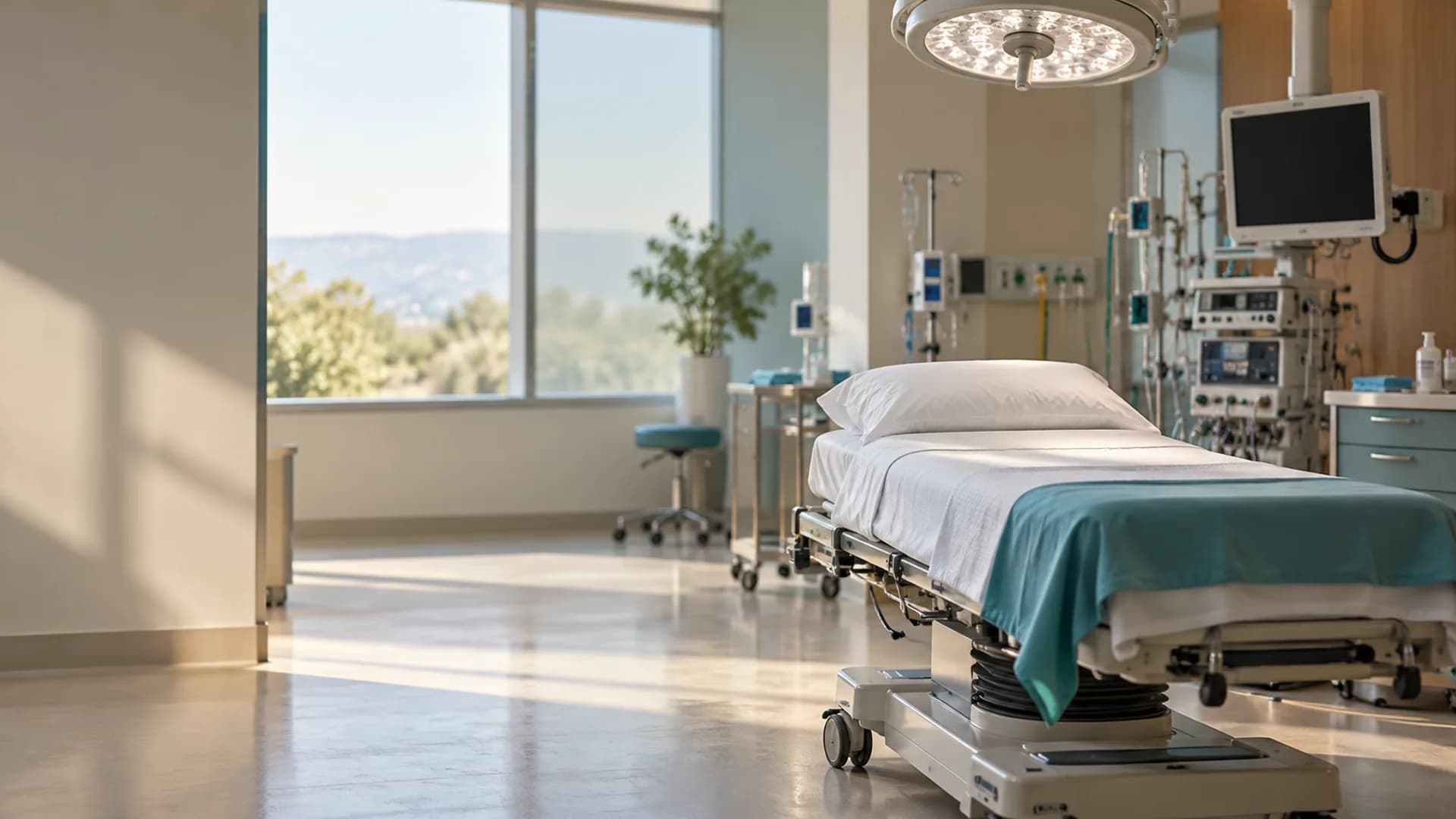
Plan on being with us about two to three hours from check-in to discharge, even though the exam itself is short. Check-in. Arrive at the time on your instruction sheet, usually 30 to 60 minutes before your procedure, with photo ID, insurance card, medicine list, and your driver. Getting ready. A nurse takes you back, reviews your history and prep, starts an IV, and gets you into a gown. This takes about 20 to 30 minutes. The procedure. You lie on your left side, sedation is given, and you drift off. Dr. Herraka advances the scope to the far end of the colon and examines the lining as he slowly withdraws it, removing polyps and taking biopsies as needed. Most exams last 20 to 45 minutes. Recovery. You wake up in our recovery area, where a nurse stays with you for roughly 30 to 60 minutes while the sedation wears off. Gas and mild cramping are normal and pass quickly. Going home. Dr. Herraka talks with you and your driver about what he saw, and you go home with written instructions.
Recovery and the rest of your day
Most patients feel back to normal within a few hours and eat a regular meal the same day. Start with something light rather than a heavy fried meal. You must not drive, work, sign legal documents, or care for young children alone for the rest of the day. Sedation affects judgment and reflexes for longer than it feels like it does. Most patients return to work and normal activity the next morning. Call our office right away, or go to the emergency room, if you have severe or worsening belly pain, a firm swollen abdomen, fever or chills, vomiting, or heavy rectal bleeding. These problems are uncommon, but they can appear several days after the exam, so keep our number handy.
Your results and when your next colonoscopy is due
Dr. Herraka will tell you what he saw the same day, before you leave. If anything was removed or biopsied, the lab results usually take about a week, and we contact you with them and with your next steps. Your follow-up interval depends on what was found:
- A normal exam, average risk: typically repeat in 10 years
- One or two small, low-risk polyps: typically 7 to 10 years
- Several polyps, or a larger or higher-risk polyp: often 3 to 5 years
- Certain findings, poor prep, or a personal history of colon cancer: sooner, on a schedule Dr. Herraka gives you in writing These are general ranges based on national guidelines. Your exact date is chosen for you and is written on your discharge paperwork, so you never have to guess.
Is a colonoscopy safe?
Colonoscopy is considered very safe when it is performed by a trained, experienced gastroenterologist, and serious problems are uncommon. It is still a medical procedure, and you deserve to know the risks. The main ones are bleeding at a polyp removal site (usually minor, often stops on its own), a tear in the bowel wall (rare, may require surgery), and reactions to sedation, which is why an anesthesia professional monitors you throughout. A missed lesion is also possible, which is why a thorough prep and an unhurried exam matter so much.
Cost & insurance
Most insurance plans cover colonoscopy, but how much you pay depends on whether the exam is billed as screening or diagnostic, and that difference surprises people, so we explain it up front.
- Screening means you have no symptoms, you are at average risk, and you are due by age or interval. Under federal rules, most health plans cover a screening colonoscopy as preventive care with no out-of-pocket cost to you.
- Diagnostic means the exam is being done because of a symptom such as bleeding, pain, anemia, or a change in bowel habits, or because you are on a shorter surveillance schedule after previous polyps or cancer. Diagnostic procedures are billed under your regular medical benefits, so your deductible, copay, or coinsurance may apply. Two situations are worth knowing about. If a polyp is found and removed during a screening exam, most plans still treat it as preventive, and Medicare has been phasing out the coinsurance that used to apply. And a colonoscopy done because an at-home stool test came back positive is now treated as part of the screening process by Medicare and most plans, not as a separate diagnostic test. For patients paying out of pocket, third-party cost trackers put the average price of a colonoscopy in the Fort Smith area at roughly $1,526 (NewChoiceHealth), with a broader statewide range of about $848 to $2,245 depending on facility and anesthesia (CostKits). These are general estimates rather than DLC pricing; ask our staff for a self-pay quote specific to your situation. We accept most major plans, including Medicare and both Arkansas and Oklahoma Medicaid; see our insurance page for the full list. Self-pay pricing is available for elective services, and our team verifies your benefits before your procedure date so there are no surprises.
Frequently asked questions
Does a colonoscopy hurt?
No. You are sedated, and most patients sleep through the whole thing and remember nothing afterward. Some people notice gas, bloating, or mild cramping in recovery, which passes within an hour or so. The prep is uncomfortable, but the procedure itself is not.
Do I really have to finish the entire prep?
Yes, and it matters more than almost anything else. If your colon is not fully clean, small polyps can hide behind stool and be missed, and you may have to repeat the whole thing sooner than planned. If the prep is making you vomit or you truly cannot finish it, call our office. We would rather adjust your plan than have you stop on your own.
Can I have a colonoscopy if I take blood thinners?
Usually yes, but the plan is individual. Some blood thinners are continued, some are paused for a few days, depending on why you take them and on your heart or clot history. Never stop one on your own; tell us every medicine you take when you schedule, and we will coordinate with the prescribing doctor.
I think my bleeding is just hemorrhoids. Do I still need a colonoscopy?
Often, yes. Hemorrhoids are the most common cause of bright red rectal bleeding, but colon polyps and colorectal cancer can bleed the same way, and the only way to be sure is to look. Many patients are evaluated for the bleeding and treated for hemorrhoids by the same physician.
Do I need a referral from my primary care doctor?
In most cases, no. Healthy adults who are due for screening can call and schedule directly after a nurse reviews their history by phone. Some insurance plans require a referral, and our staff will tell you if yours does and help you obtain it.
How often will I need a colonoscopy?
If your exam is normal and you are at average risk, the usual interval is 10 years. If polyps were removed, the interval is shorter, often 3 to 7 years, depending on the number, size, and type. Dr. Herraka gives you a specific date in writing, and our office reminds you when it is time.
Can I have my colonoscopy and an upper endoscopy at the same visit?
Often, yes. When both are medically needed, they are commonly done during the same sedation, which means one prep, one day off work, and one driver. Ask us whether combining your upper endoscopy with your colonoscopy makes sense for you.
Will I have to take off work for several days when I have a colonoscopy?
No. Most patients take only the exam day off, since sedation means you cannot drive or work that day, and return to work the next morning.
How much does a colonoscopy cost in Arkansas?
It depends on your insurance and how the exam is billed; see Cost & insurance above for third-party price estimates and how screening versus diagnostic billing affects what you pay.
Schedule your colonoscopy in Fort Smith
If you are 45 or older, or if something has changed and you are worried about it, you do not have to wait. Call Digestive & Liver Center of Arkansas at (479) 242-2888 to schedule your colonoscopy at our Main Clinic, 3416 Old Greenwood Rd, Fort Smith, AR 72903. We are open Monday through Friday, 8:00 a.m. to 5:00 p.m., and most patients can schedule directly without a referral.