
On this page
- What is an upper endoscopy?
- What an upper endoscopy can diagnose
- Why your doctor may order an upper endoscopy
- How to prepare for your upper endoscopy
- Sedation and comfort
- The procedure, step by step
- Biopsies and treatments during the exam
- Recovery and the rest of your day
- Your results
- Cost & insurance
- Frequently asked questions
- Schedule your upper endoscopy in Fort Smith
An upper endoscopy — an EGD — is a sedated exam of your esophagus, stomach and the first part of the small intestine, and it usually takes 10 to 15 minutes. It finds the cause of reflux, pain, trouble swallowing or bleeding. Dr. Herraka performs it in the practice's own Fort Smith suite.
What is an upper endoscopy?
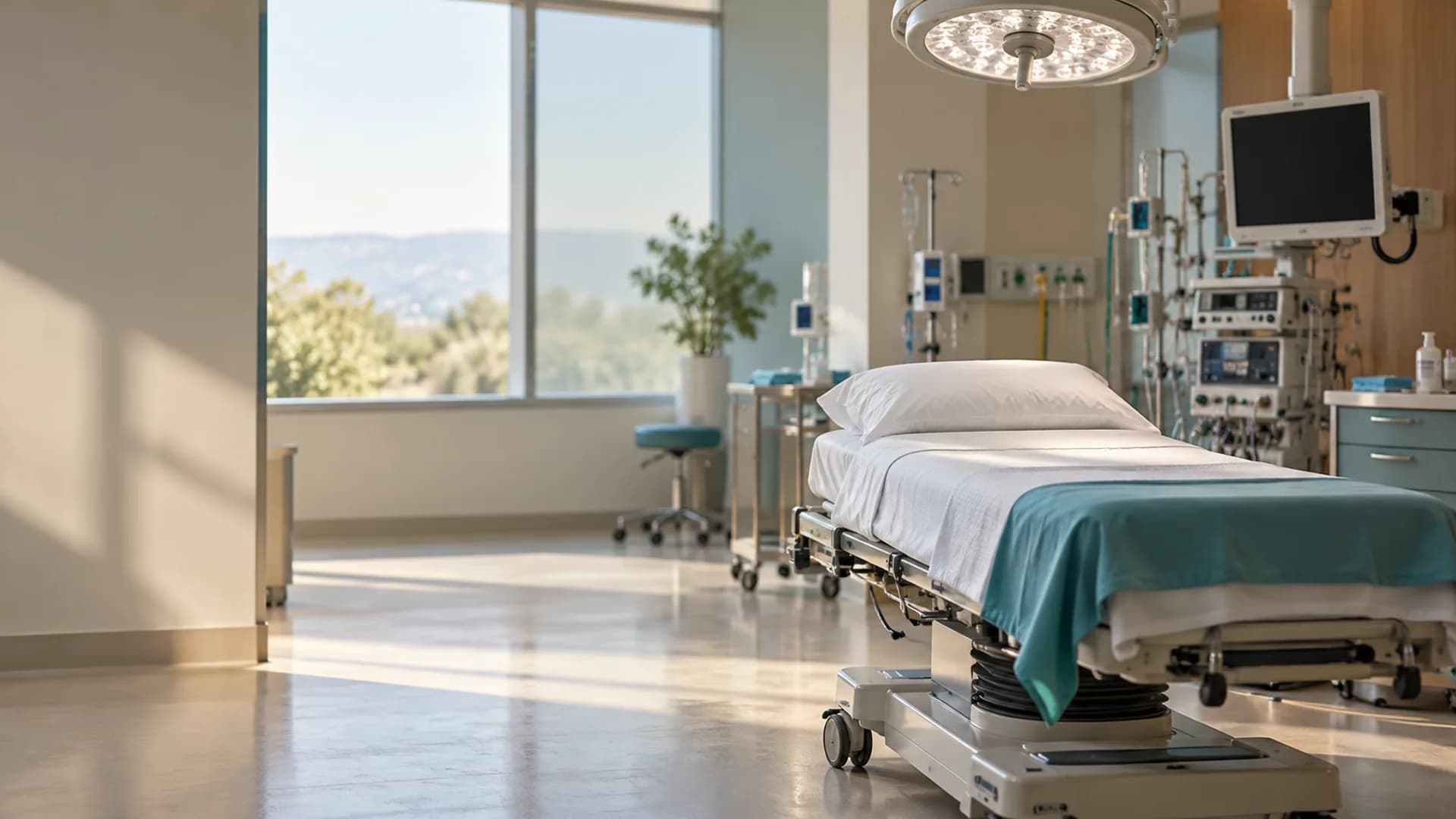
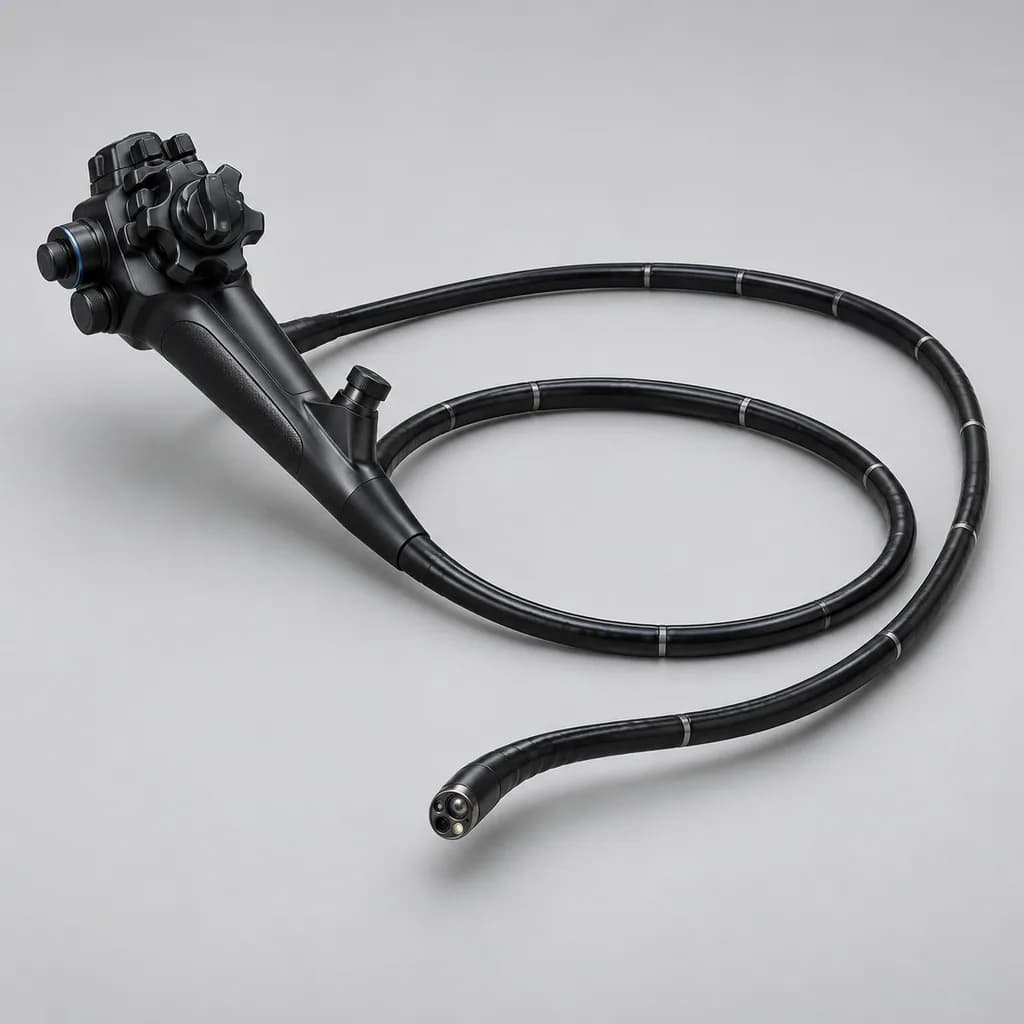
An upper endoscopy is a short, sedated exam of your esophagus (swallowing tube), stomach, and the first part of your small intestine. It usually takes only 10 to 15 minutes. Doctors also call it an EGD, which is short for esophagogastroduodenoscopy. During the exam, Dr. Ihab Herraka passes a thin, flexible tube with a light and camera on the end through your mouth and down your esophagus while you are asleep under sedation. The camera sends a clear, magnified picture to a video screen, so the lining of your upper digestive tract can be examined directly instead of guessed at from the outside. Unlike an X-ray or a CT scan, an upper endoscopy lets your doctor take tissue samples and treat certain problems during the same appointment. We perform these procedures in our own on-site endoscopy suite in Fort Smith.
What an upper endoscopy can diagnose
An upper endoscopy is used to evaluate and diagnose a range of conditions affecting the esophagus, stomach, and upper small intestine:
- GERD and esophagitis, when reflux symptoms persist despite treatment or need to be confirmed
- Barrett's esophagus surveillance, tracking a change in the esophagus lining caused by long-term reflux
- Ulcers and H. pylori infection, a common bacterial cause of stomach and duodenal ulcers
- Celiac disease, confirmed with small biopsies of the small intestine lining
- Dysphagia and strictures, difficulty swallowing or a narrowed esophagus
- Unexplained anemia, when low iron or low blood counts point to a source in the upper digestive tract
- Upper GI bleeding, whether active or as the cause of a prior bleeding episode
Why your doctor may order an upper endoscopy
An upper endoscopy is ordered when a symptom needs an answer that blood work and imaging cannot give. Common reasons include:
- Heartburn or reflux that keeps coming back, or that has not improved on medicine
- Trouble or pain swallowing, or food that feels stuck
- Upper belly pain, nausea, or vomiting that does not resolve
- Suspected ulcer or infection with H. pylori, a stomach bacteria
- Low iron or anemia with no obvious cause
- Bleeding, vomiting blood, or black, tarry stools
- Suspected celiac disease, confirmed with small biopsies
- Barrett's esophagus surveillance, a change in the esophagus lining caused by long-term reflux
- Checking for enlarged veins (varices) in patients with advanced liver disease That last one matters here in the River Valley. Because scarring in the liver can raise pressure in nearby veins, some patients followed here for fatty liver disease also need an upper endoscopy as part of their liver care.
How to prepare for your upper endoscopy
Preparing for an upper endoscopy is far simpler than preparing for a colonoscopy, since there is no bowel prep to drink. The main rule is an empty stomach.
- Do not eat for at least 8 hours before your procedure. Most patients stop eating after midnight.
- Clear liquids are usually allowed until a few hours before. Follow the exact times on your instruction sheet.
- Medicines: take only what we tell you to take, with a small sip of water.
- Tell us in advance about blood thinners, insulin and other diabetes medicines, GLP-1 medicines such as semaglutide or tirzepatide, and any heart, lung, or sleep apnea condition. Some of these need to be adjusted days ahead.
- Arrange a driver. You cannot drive yourself home after sedation. If you have food in your stomach, the exam has to be rescheduled for your safety, so the fasting instructions are not a formality.
Sedation and comfort
You will be sedated for your upper endoscopy, and most patients sleep through it and have no memory of the procedure afterward. Sedation goes in through an IV and is managed by an anesthesia professional, often a certified registered nurse anesthetist (CRNA), who watches you the entire time. You breathe on your own throughout. Your heart rate, blood pressure, and oxygen level are monitored continuously from the start of sedation until you are awake in recovery. The scope does not interfere with your breathing.
The procedure, step by step
Plan on about 90 minutes to two hours at our clinic in total, even though the exam itself is brief.
- Check in and get ready. A nurse reviews your history and medicines, starts your IV, and answers last questions. This takes roughly 30 minutes.
- Get comfortable. You lie on your left side. A small mouthguard protects your teeth and the scope.
- Sedation. Medicine goes through the IV and you drift off within moments.
- The exam. Dr. Herraka passes the scope through your mouth and examines the lining of your esophagus, stomach, and duodenum. A small amount of air is used to open the folds so nothing is missed. Most exams take 10 to 15 minutes.
- Recovery. You wake in our recovery area with a nurse nearby for about 30 to 45 minutes.
Biopsies and treatments during the exam
If something needs a closer look, Dr. Herraka takes a biopsy, a tiny sample of tissue passed through the scope and sent to a lab. Biopsies are painless, are often taken even when nothing looks worrying, and are the only way to diagnose conditions such as celiac disease, H. pylori infection, or Barrett's esophagus. Several problems can also be treated during the same appointment. A narrowed esophagus can be gently stretched (dilated), bleeding can be controlled with clips or heat, and small growths can be removed. Because these treatments happen while you are already sedated, you feel nothing.
Recovery and the rest of your day
Most patients feel normal within a couple of hours and eat a light meal the same day. A mild sore throat, hoarseness, or bloating is common and usually gone by the next morning. Warm liquids and throat lozenges help. You may not drive, work, or make important decisions for the rest of the day, because sedation affects your judgment longer than it feels like it does. Most people return to their usual routine the next morning. Call our office or seek emergency care if you have severe chest or belly pain, trouble swallowing or breathing, fever, vomiting blood, or black stools after your procedure. These problems are uncommon, but they should never be ignored.
Your results
Dr. Herraka will tell you what he saw the same day, before you go home, and he will also go over it with your driver, since sedation can blur your memory of that conversation. You get written instructions to take with you. If biopsies were taken, lab results typically take about a week. Our office contacts you with those results and with the plan, whether that means a medicine change, treatment for H. pylori, a diet change, or a follow-up exam.
Cost & insurance
Upper endoscopy is a diagnostic procedure, which means it is billed under your regular medical benefits rather than as preventive care. Your deductible, copay, or coinsurance may apply, and the amount depends on your specific plan. We accept most major plans, including Medicare and both Arkansas and Oklahoma Medicaid, and the full list is on our insurance page. Because the procedure is performed in our own office-based suite rather than a hospital outpatient department, the total charges are often lower, though your share always depends on your plan. Our staff verifies your benefits before your procedure date and explains what to expect. You can review our accepted plans on the insurance page, and we encourage you to confirm details directly with your insurer as well.
Frequently asked questions
Will I gag or feel the scope?
No. You are sedated before the scope is placed, and most patients have no memory of the procedure at all. The gag reflex is suppressed by the sedation, and a soft mouthguard keeps everything comfortable.
How long does an upper endoscopy take?
The exam itself usually takes 10 to 15 minutes. Plan on about 90 minutes to two hours at our clinic from check-in to discharge, since preparation and recovery take longer than the procedure.
Can I eat afterward?
Most patients can eat once the sedation wears off and swallowing feels normal, usually within a couple of hours. Start with soft foods and cool or warm liquids rather than something hot, spicy, or crunchy, especially if your throat feels scratchy.
Is an upper endoscopy the same as a colonoscopy?
No. An upper endoscopy examines the esophagus, stomach, and upper small intestine. A colonoscopy examines the colon and rectum, and is the test used for colon cancer screening. When both are needed, they are frequently performed during the same sedation, which means one day off work and one driver.
What is the difference between an EGD and an endoscopy?
"Endoscopy" is a general term for any exam that uses a scope with a camera to look inside the body. An EGD, or esophagogastroduodenoscopy, is one specific type: an upper endoscopy that examines the esophagus, stomach, and duodenum. A colonoscopy is also a type of endoscopy, examining the colon instead. When people say "endoscopy" without qualifying it, they usually mean the upper exam, but the terms are not strictly interchangeable.
Is an upper endoscopy risky?
Upper endoscopy is considered very safe in trained hands, and complications are uncommon. The risks that do exist include bleeding after a biopsy, a small chance of a tear in the lining, and reactions to sedation, which is why an anesthesia professional monitors you throughout. Dr. Herraka will discuss the risks that apply to your situation before you consent.
Schedule your upper endoscopy in Fort Smith
If heartburn, swallowing trouble, nausea, or upper belly pain has been going on too long, an upper endoscopy can give you a real answer instead of another guess. Call Digestive & Liver Center of Arkansas at (479) 242-2888 to schedule at our Main Clinic, 3416 Old Greenwood Rd, Fort Smith, AR 72903, open Monday through Friday, 8:00 a.m. to 5:00 p.m.