

On this page
What is chronic constipation?
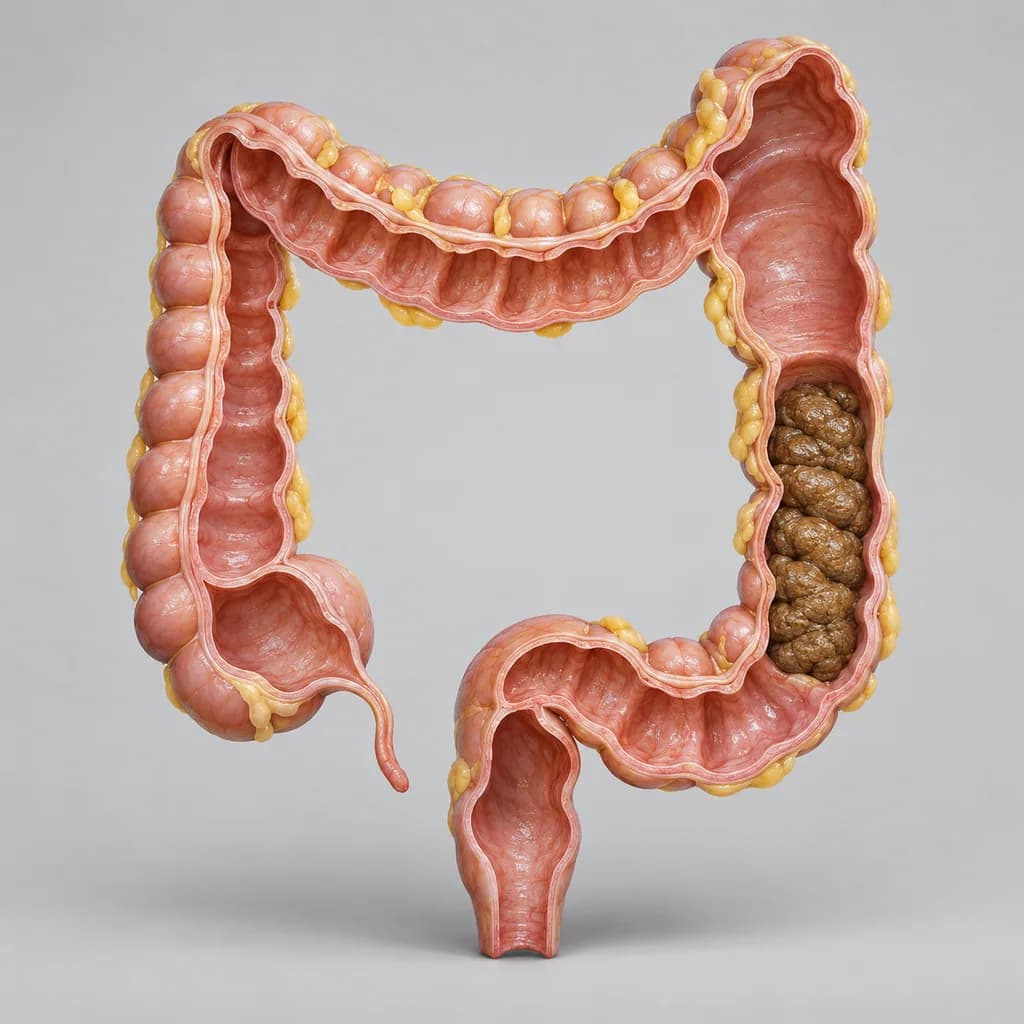
Chronic constipation means hard, infrequent or difficult-to-pass stools that have lasted for months rather than days, usually with straining, bloating and a sense of incomplete emptying. Dr. Ihab Herraka provides chronic constipation treatment at our Fort Smith Main Clinic, beginning with why it is happening. Almost everyone has a slow week. What brings people here is the version that does not pass. By then, another laxative is rarely the answer. Constipation is a symptom, and its mechanism decides the treatment.
When to see a specialist
It is worth seeing a constipation specialist in Fort Smith if:
- Constipation has lasted more than three weeks
- Over-the-counter fiber and laxatives have failed, or you need them daily
- Constipation is new for you, especially after age 45
- Stools have narrowed, or you swing between constipation and diarrhea
- There is bleeding, unexplained weight loss or anemia along with it
- You strain hard, or press near the anus or vagina, to pass stool
- It started after a new medication, or with fatigue and feeling cold New constipation after 45 matters, because it can occasionally signal a blockage from a polyp or tumor, one of many causes covered on our lower GI conditions page.
Symptoms
Frequency is only part of it; a change from your own pattern matters most.
- Fewer than three bowel movements in a typical week
- Hard, dry or lumpy stools that take straining to pass
- A feeling that you have not finished
- Bloating or abdominal discomfort that eases after you go
- Needing to shift position, or use a finger, to pass stool See a doctor promptly if constipation comes with any of the following:
- Blood in the stool, or bleeding from the rectum
- Unexplained weight loss, or anemia found on bloodwork
- Severe or steadily worsening abdominal pain
- A sudden, unexplained change in your bowel habits Go to an emergency room if you cannot pass stool or gas at all and you are vomiting or in severe pain.
Causes
Chronic constipation usually comes from one or more of a few sources:
- Medications. Opioids, iron supplements, calcium-channel blockers (used for blood pressure) and anticholinergic medicines (used for overactive bladder, allergies or some psychiatric conditions) are common culprits.
- Underlying conditions. An underactive thyroid, diabetes, Parkinson's disease, and IBS with constipation (IBS-C) can all slow the bowel or change how it functions.
- Pelvic floor dyssynergia. This is the most common cause of chronic constipation seen in a specialist's office: the pelvic floor muscles tighten instead of relaxing when you bear down, so stool cannot pass no matter how soft it is. Anorectal manometry and biofeedback therapy are how it is diagnosed and treated.
- Slow transit. Less commonly, the colon itself moves stool too slowly, independent of the pelvic floor.
How chronic constipation is diagnosed
The aim is to identify which type of constipation you have.
- A history that goes past "how often." Medications and supplements, diet, fluids, activity, and how the stool comes out.
- An exam. An abdominal and, when appropriate, rectal exam. This is often where an outlet problem first shows: the pelvic floor tightens instead of relaxing as you bear down.
- Targeted bloodwork. Thyroid function, calcium, blood count and blood sugar, to catch conditions that cause constipation quietly.
- Colonoscopy when warranted. With red flags, or at 45 and older when colon cancer screening is due, a colonoscopy in our on-site endoscopy center shows the lining directly.
- Anorectal manometry, performed at our Main Clinic. Measures how the rectum and anal sphincter coordinate, finding patients whose problem is muscle timing, not stool consistency. It takes about 30 minutes, needs no sedation, and you drive yourself home.
- Balloon expulsion testing. Times how long it takes to expel a small balloon from the rectum, a simple check for outlet dysfunction alongside manometry.
- Colonic transit (sitz-marker) study. You swallow a capsule of markers visible on X-ray, and follow-up imaging shows how quickly, and how evenly, they move through the colon.
- Defecography. An imaging study, done by referral, that shows the mechanics of how the rectum empties when the other tests do not give a clear answer. If pain is prominent and eases after you go, or constipation alternates with diarrhea, the diagnosis may be IBS specialist Fort Smith with constipation.
Treatment
Chronic constipation treatment builds in steps, and most patients improve well before the list runs out. In the order a specialist tries them:
- Fiber and fluid. Add fiber gradually over weeks; a large dose overnight mostly produces gas. Soluble fiber such as psyllium is better tolerated than wheat bran.
- Movement and routine. Regular activity helps, and so does a set toilet time each day, ideally after a meal, with a footstool to raise your knees.
- A medication review. Constipation that began soon after a new prescription often ends with a change your prescriber can make. Bring every bottle.
- Osmotic laxatives. Polyethylene glycol and similar agents pull water into the stool to soften it, and they are not habit-forming.
- Prescription therapy. When laxatives are not enough, medicines such as linaclotide, lubiprostone, plecanatide or prucalopride draw fluid into the bowel or speed transit, chosen once the cause is clear. If opioid pain medication is the cause, a PAMORA (peripherally acting mu-opioid receptor antagonist) targets that specific mechanism without reversing pain relief.
- Pelvic floor physical therapy with biofeedback. For confirmed outlet dysfunction this is the treatment: it retrains the muscles to relax on cue, where laxatives cannot. A pelvic floor therapist provides it, and we arrange the referral. An underactive thyroid or poorly controlled diabetes is treated in its own right. Straining also contributes to hemorrhoids and anal fissures, see hemorrhoid treatment.
What to expect at your visit
Your first appointment is mostly conversation: your bowel pattern, diet, medications, surgical history and what you have already tried. Bring your medication and supplement list, and a few days' notes on your bowel habits if you can. An exam follows, and bloodwork can usually be arranged the same day. You leave with a working diagnosis, a plan that starts at the right step, and a follow-up. For most plans, no referral is needed.
Cost & insurance
Office visits and the testing used to evaluate chronic constipation are covered by most plans when medically necessary. We accept most major plans, including Medicare and both Arkansas and Oklahoma Medicaid. The full list is on our insurance page. Our staff verifies your benefits beforehand and tells you if prior authorization is required.
Frequently asked questions
How often should I be having a bowel movement?
There is no single right number. Anywhere from three times a day to three times a week can be normal. What matters is whether your own pattern has changed. Going twice a week comfortably for years is different from suddenly doing so.
Is it bad to take a laxative every day?
Osmotic laxatives such as polyethylene glycol are not habit-forming and are often used regularly under a physician's guidance. The real concern is that daily use can mask a cause worth finding. Needing one daily to function is a reason to be evaluated, not to feel guilty.
Why doesn't fiber help my constipation?
Because fiber treats only one of the causes. If your pelvic floor muscles tighten instead of relaxing when you push, more fiber gives you a softer stool you still cannot pass, plus more bloating. That pattern is outlet dysfunction, and anorectal manometry is how we confirm it.
Do I need a colonoscopy for constipation?
Not always. It is recommended if you have red flags such as bleeding, anemia, weight loss or a new change in bowel habits, and it is appropriate at 45 or older if you are due for screening anyway. Long-standing constipation with normal testing often does not require one.
Is colonic hydrotherapy effective for constipation?
There is no good evidence that colonic hydrotherapy (colon cleansing) treats chronic constipation, and it is not something we recommend or perform. It does not address the underlying cause, whether that is a medication, a slow-moving colon or a pelvic floor that will not relax, and it carries its own risks. A proper evaluation finds the mechanism and treats that instead.
Can chronic constipation cause hemorrhoids?
Yes. Hard stools and repeated straining raise pressure in the veins around the anus and contribute to both hemorrhoids and anal fissures. Treating the constipation is part of treating them, which is why we address the two together rather than one at a time.
See a constipation specialist in Fort Smith
Call the Digestive & Liver Center of Arkansas Main Clinic at (479) 242-2888 or request an appointment online to see Dr. Ihab Herraka at 3416 Old Greenwood Rd, Fort Smith, AR 72903, Monday through Friday, 8:00 to 5:00. We care for patients from Fort Smith, Van Buren, Greenwood, Alma, Barling, Charleston and Ozark, and from Poteau, Sallisaw and eastern Oklahoma, where Oklahoma Medicaid is accepted.