

On this page
What is bowel incontinence?
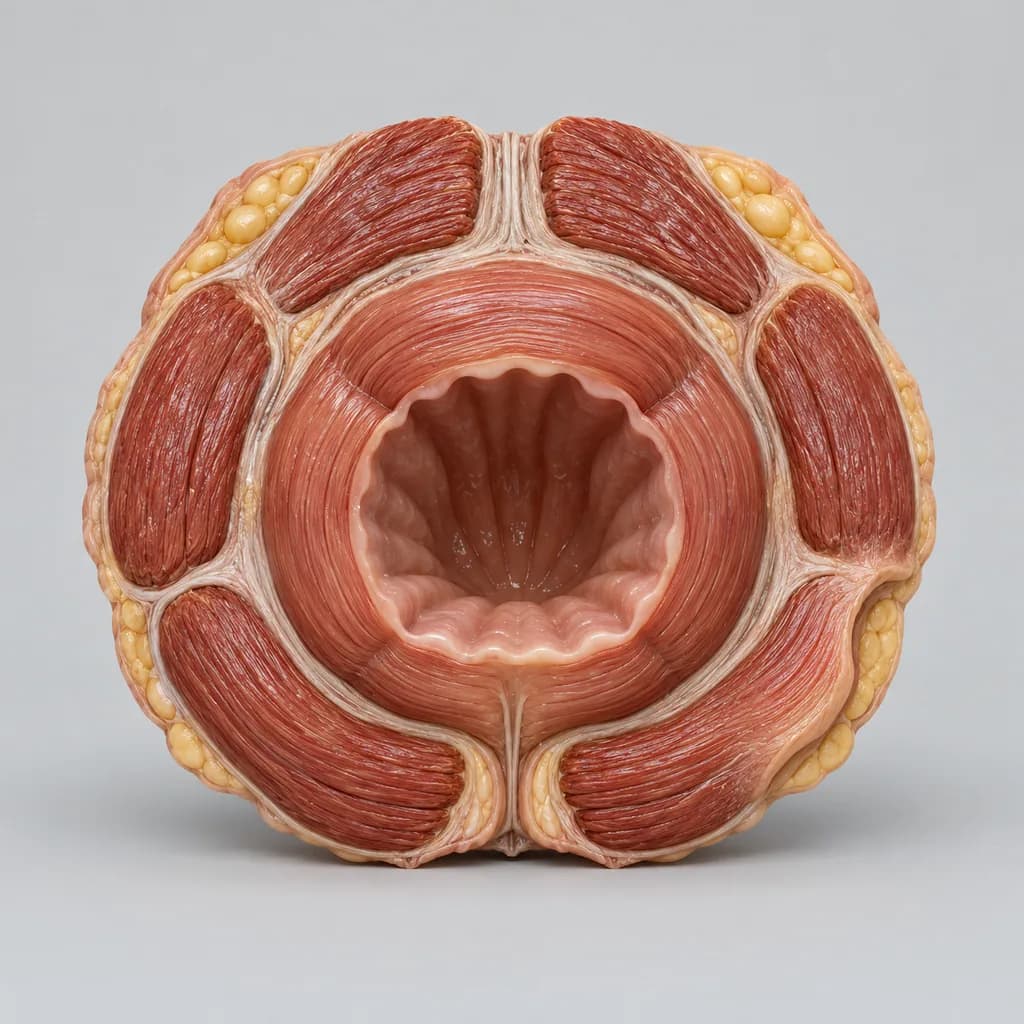
Bowel incontinence is any loss of control over stool or gas, from a smear on the underwear to an accident with no warning at all, also called fecal incontinence or accidental bowel leakage. Dr. Ihab Herraka evaluates and treats it at our Fort Smith Main Clinic. Of all the lower GI conditions we see, it is the one patients bring up last. It is common, treatable in most cases without surgery, and worth raising rather than living with, since the right treatment depends on the cause. Continence depends on stool that holds together, a rectum that can store it and sense it, and sphincter muscles that hold until you decide otherwise. A problem anywhere along that chain produces leakage, which is why the same complaint can come from loose stool, an injured sphincter, nerve damage from diabetes or a spine problem, reduced rectal sensation, prolapsing tissue, or constipation with softer stool seeping past a hard mass. Incontinence generally falls into three patterns: urge incontinence, when a strong urge arrives with too little warning to reach a bathroom; passive leakage, when stool escapes with no sensation or urge at all; and seepage, a small amount that leaks after an otherwise normal, complete bowel movement. The pattern you have points toward the underlying cause and helps guide which treatment comes first.
Symptoms
People describe it in different ways, and the pattern tells us where in the chain to look.
- Leakage of stool or mucus with no warning at all
- An urge so sudden you cannot reach a bathroom in time
- Staining or smearing found on the underwear later
- Difficulty controlling gas
- A sense of incomplete emptying, followed by leakage afterward
- Wearing pads, mapping bathrooms before leaving home, or turning down plans See a doctor promptly if incontinence is new, comes with bleeding, unexplained weight loss or a change in bowel habits, or began after surgery or radiation. Go to the emergency department if loss of bowel control starts suddenly with back pain, numbness around the groin or inner thighs, difficulty passing urine, or new leg weakness, which can mean pressure on the spinal cord and needs treatment the same day.
How bowel incontinence is diagnosed
The visit starts with a conversation that takes a few minutes and answers most of the question.
- A history built around the pattern. Whether leakage comes without warning or after an urge you could not defer, what the stool looks like, and how often. Childbirth, prior anorectal or pelvic surgery, radiation, diabetes and back problems all matter.
- An exam. Inspection for scars, prolapsing tissue or an unhealed anal fissure, and a digital exam that gives a first read on resting tone and squeeze strength.
- Stool testing and bloodwork when diarrhea is part of it. Loose stool is the most treatable contributor, so a visit with our chronic diarrhea doctor gets its own work-up.
- Anorectal manometry, performed on-site. This test measures pressure at rest, squeeze strength, muscle coordination and rectal sensation, putting numbers on what an exam can only estimate. It separates a strength problem from a sensation problem, which are treated differently.
- Endoanal ultrasound or MRI defecography, by referral. When a structural injury is suspected, such as a difficult delivery or a previous operation, one of these imaging studies looks directly at the sphincter muscles.
- Colonoscopy when it is warranted. For red flags, unexplained diarrhea, or when you are 45 or older and due for screening.
Treatment
Treatment goes in stages, and most people are better well before the later ones come up. Change the stool first. Firmer, better-formed stool is easier to hold, so treating the diarrhea, adding a bulking fiber supplement such as psyllium, and, when advised, a scheduled antidiarrheal often reduce episodes on their own. Clear out constipation when that is the driver. Overflow leakage past retained stool is common, and it is treated by emptying the rectum and keeping it empty, the approach on our chronic constipation treatment page. Review diet and medications. Caffeine, alcohol, sorbitol and other sugar alcohols, magnesium supplements and certain prescriptions all loosen stool. Any change is coordinated with whoever prescribed it. Build a bowel routine. Scheduled toileting after meals, and in selected cases a planned enema, empty the rectum at a time you choose. Pelvic floor physical therapy with biofeedback. For weak squeeze pressures or blunted rectal sensation, this is the mainstay: a therapist retrains the muscles and sensation using visual feedback, over a course of sessions. Treat what is contributing anorectally. Prolapsing internal hemorrhoids can keep the anal canal from sealing, so hemorrhoid treatment is sometimes part of the answer. Skin care and containment products help meanwhile. When those are not enough. Incontinence that persists after a fair trial of the steps above has further options: sacral nerve stimulation, injectable bulking agents, and surgical sphincter repair (sphincteroplasty) for a defined muscle injury. These procedures are performed by a colorectal surgeon, and we refer to OU or UAMS. Whether any of them fits is decided after your evaluation, and we coordinate the referral and stay involved in your care afterward.
What to expect at your visit
If you can, jot down two or three days of what happened and what the stool was like, and bring your medication list. Expect questions and a routine exam. You leave with a working explanation, a first step, and a date to check back. For most plans, no referral is needed.
Cost & insurance
Office visits, bloodwork and anorectal testing for bowel incontinence are covered by most plans when medically necessary. Pelvic floor therapy is billed under physical therapy benefits, worth checking before you start. We take most major insurance, Medicare, and Medicaid in both Arkansas and Oklahoma; details are on our insurance page.
Frequently asked questions
Is bowel incontinence a normal part of aging?
It becomes more common with age, but common is not the same as normal. Age-related changes in muscle strength and rectal sensation are among the causes, and both respond to treatment.
What kind of doctor treats bowel incontinence?
A gastroenterologist is a good starting point, since most cases begin with stool consistency, bowel habits or anorectal muscle function, all evaluated in the office. Colorectal surgeons and urogynecologists treat it too, and become involved when a structural repair or a device is under consideration.
Can bowel incontinence be treated without surgery?
In most cases, yes. Firming up the stool, correcting constipation, adjusting medications, a bowel routine, and pelvic floor therapy with biofeedback are all non-surgical, and together help most patients. Surgery and nerve stimulation are considered after those steps have had a fair trial.
Why do I leak when my stool is loose but not when it is formed?
Loose stool is harder to hold. A somewhat weakened sphincter may seal well against a formed stool and not a liquid one, so leakage shows up only when the stool changes, which is why treating the diarrhea often works better than treatment aimed at the muscle.
Should I mention bowel incontinence if it only happens once in a while?
Yes. Occasional leakage is the easiest version to treat, and the evaluation is the same whether it happens weekly or twice a year.
Talk to us about bowel incontinence in Fort Smith
One visit usually gives you a cause and a starting point. Call the Digestive & Liver Center of Arkansas Main Clinic at (479) 242-2888 or request an appointment to see Dr. Ihab Herraka at 3416 Old Greenwood Rd, Fort Smith, AR 72903, Monday through Friday, 8:00 to 5:00. We care for patients across the River Valley and from Poteau, Sallisaw and eastern Oklahoma, where Oklahoma Medicaid is accepted.