
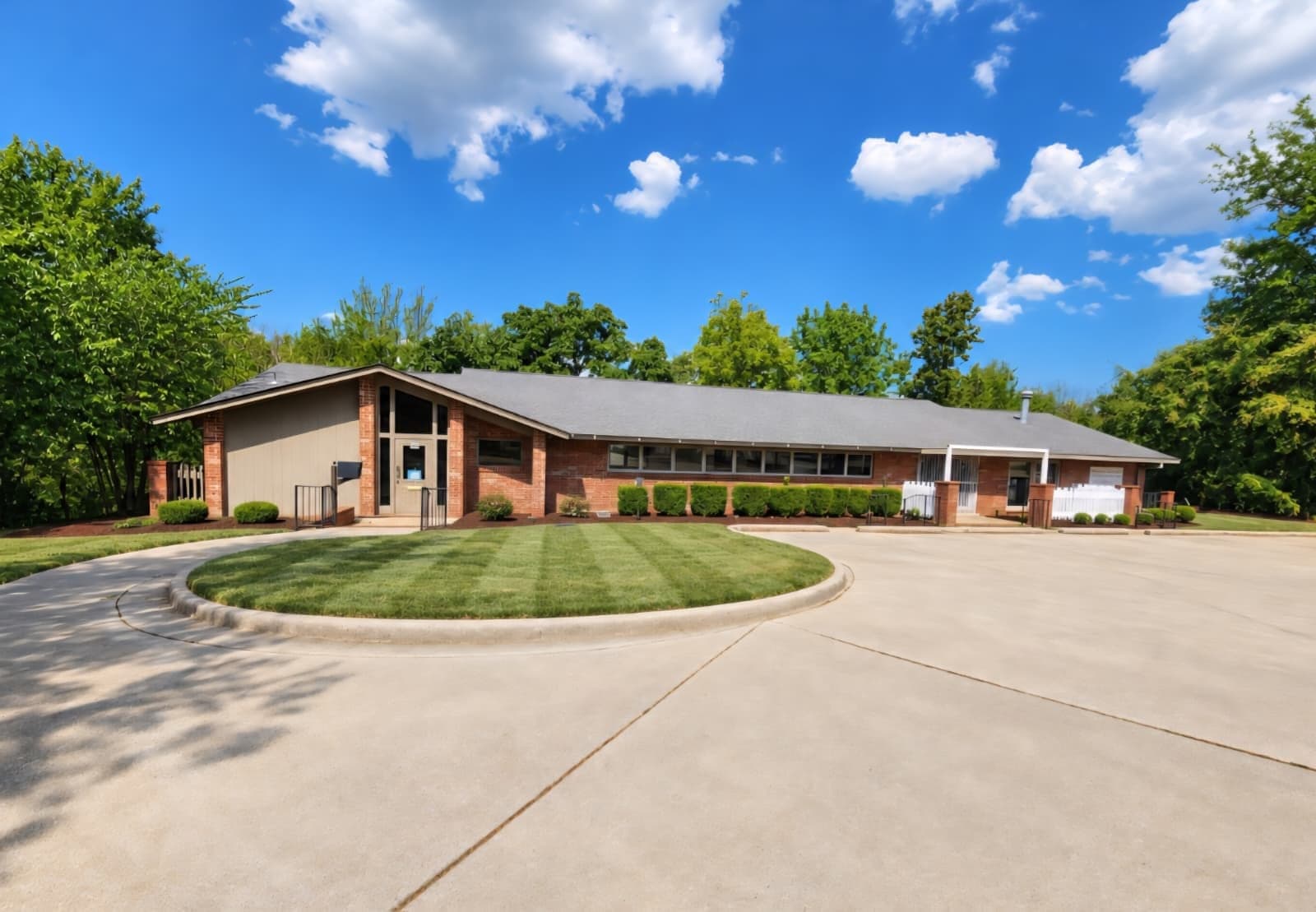
What a gastroenterologist is
A gastroenterologist is a physician who specializes in the digestive system and the organs connected to it: the esophagus, stomach, small intestine, colon and rectum, pancreas, gallbladder, bile ducts, and liver. They diagnose and treat disease in those organs, and they perform the procedures used to look inside them. Think of it this way. Your primary care doctor handles your whole body and manages the majority of digestive complaints well. A gastroenterologist is who you see when a symptom does not resolve, when a test comes back abnormal, or when you need a procedure that requires specialized skill. It is a referral relationship, not a replacement.
The training behind the title
A gastroenterologist completes more than five years of additional training after medical school. That means four years of medical school, then three years of residency in internal medicine, then two to three more years in a gastroenterology fellowship. Fellowship is where the specialty is really built: managing complex liver and digestive disease, and thousands of supervised hours performing endoscopic procedures. Board certification comes after that, and it requires passing rigorous exams. Dr. Ihab Herraka is board-certified in Gastroenterology, Internal Medicine, and Obesity Medicine, completed his fellowship at the University of Florida and Shands, and has been in practice since 2012. You can read more about his background and approach. That training shows up in results. Studies have generally found that gastroenterologists detect more polyps during colonoscopy than non-specialists performing the same procedure. When the whole point of a screening exam is finding something small, that difference matters.
What gastroenterologists treat
The list is long, but most of it falls into a handful of groups.
Upper digestive problems
Acid reflux and GERD, difficulty swallowing, chronic heartburn, ulcers, gastritis, H. pylori infection, Barrett's esophagus, and unexplained nausea or upper abdominal pain. See our overview of upper GI conditions.
Lower digestive problems
Irritable bowel syndrome, Crohn's disease and ulcerative colitis, chronic diarrhea or constipation, diverticular disease, celiac disease, rectal bleeding, and colon polyps. More on lower GI conditions.
Liver, pancreas, and gallbladder
Fatty liver disease, elevated liver enzymes, hepatitis B and C, cirrhosis, pancreatitis, and gallbladder and bile duct disease.
Hemorrhoids and anorectal conditions
Bleeding, itching, pain, and prolapse. These are extremely common and very treatable, and most people wait far longer than they need to before asking about them.
When to see one
Some symptoms deserve a specialist sooner rather than later. Talk to your doctor about a referral, or make an appointment directly with a gastroenterologist in Fort Smith, if you have:
- Rectal bleeding or black, tarry stools
- Trouble swallowing or food that feels stuck
- Heartburn that continues despite over-the-counter medication
- A change in bowel habits lasting more than a few weeks
- Ongoing abdominal pain, bloating, or gas that disrupts your day
- Unexplained weight loss or loss of appetite
- Trouble controlling bowel movements
- Persistent diarrhea or constipation
- Abnormal liver enzymes on routine blood work
- Iron deficiency anemia without an obvious cause
- A family history of colon cancer, polyps, or inflammatory bowel disease You should also see a gastroenterologist for routine screening even with no symptoms at all. Colon cancer screening begins at age 45 for adults at average risk, and earlier if you have a family history or certain conditions. Colon cancer is one of the few cancers that can be prevented outright, because polyps can be removed before they ever turn into cancer.
Procedures a gastroenterologist performs
Much of what sets a gastroenterologist apart is the ability to look inside the digestive tract directly, rather than relying on symptoms and blood work alone. A colonoscopy Fort Smith patients come in for examines the colon and rectum with a thin, flexible scope, and is the main tool for both screening and diagnosis. An upper endoscopy, or EGD, does the same for the esophagus, stomach, and the start of the small intestine, and is how conditions like ulcers, reflux damage, and H. pylori are confirmed. A FibroScan Fort Smith exam measures liver stiffness and fat without a needle or an overnight stay, and is how fatty liver disease is staged in most patients. For hemorrhoids, many gastroenterologists offer hemorrhoid banding Fort Smith in the office, a brief procedure with no surgery or downtime. Not every gastroenterologist performs every one of these; ask what a specific practice offers before you schedule.
What to expect at your first visit
Your first appointment is mostly conversation. Your gastroenterologist will ask detailed questions about your symptoms, diet, medications, bowel patterns, family history, and what you have already tried. Come prepared with a list of your medications and supplements, and a rough timeline of when symptoms started and what makes them better or worse. You can eat and drink normally before this visit; nothing about the conversation or physical exam requires fasting. A physical exam usually follows, and often blood work or stool testing. Depending on what turns up, the next step may be a colonoscopy, an upper endoscopy, imaging, or simply a treatment plan and a follow-up visit. Not every visit leads to a procedure. Many people leave with a diagnosis, a plan, and nothing more invasive than a lab slip. You can browse the full range of digestive conditions we treat and the procedures we perform.
Frequently asked questions
Do I need a referral to see a gastroenterologist?
It depends on your insurance plan. Some plans require a referral from your primary care doctor and some do not. Call the number on your insurance card or check with our office before you schedule.
What is the difference between a gastroenterologist and a proctologist or GI surgeon?
A gastroenterologist is a medical specialist who diagnoses and treats disease throughout the digestive tract, including with endoscopic procedures. A proctologist, more often called a colorectal surgeon today, focuses specifically on the colon, rectum, and anus, usually through surgery. A GI surgeon performs operations elsewhere in the digestive system. The three fields overlap and often work together, and your gastroenterologist will refer you if an operation is the right answer.
Is a GI doctor the same as a gastroenterologist?
Yes. "GI doctor" is simply a shorter, informal name for a gastroenterologist. "Gastrologist" is an older, largely obsolete term for the same specialist; you may still see it used occasionally, but it does not describe a different type of doctor.
Are endoscopy and colonoscopy painful?
Both are done with sedation, and most patients remember little or nothing about the procedure itself. The scopes are narrow, flexible, lighted tubes with a camera on the end. Most of the effort is in the preparation, not the exam.
Do gastroenterologists treat cancer?
Gastroenterologists diagnose digestive cancers, remove precancerous polyps before they can become cancer, and often manage ongoing care alongside an oncologist. Surgery or chemotherapy, when needed, is handled by the appropriate specialist as part of the same care team.
At what age should I start colon cancer screening?
Age 45 for adults at average risk. Start earlier if you have a family history of colon cancer or polyps, inflammatory bowel disease, or certain genetic conditions. Talk with your doctor about which screening test fits you best.
Ready to get answers?
If a digestive symptom has been hanging around, or you are due for screening, you do not have to keep guessing. Dr. Ihab Herraka and the team at the Digestive & Liver Center of Arkansas care for patients from Fort Smith, Van Buren, Greenwood, Alma, Barling, Charleston, and across the line in Poteau and Sallisaw. Call our main clinic at (479) 242-2888 to schedule a visit at 3416 Old Greenwood Rd in Fort Smith. More on what we treat in our digestive health articles.