Serious liver disease starts quietly
Many serious liver conditions begin without a single symptom. By the time you feel something, the disease may already be advanced. That is the whole argument for screening, and it is a stronger argument for the liver than for almost any other organ. Your liver has no pain nerves inside it and enormous reserve capacity. It can lose a substantial amount of healthy tissue and still perform well enough that you feel completely normal. That resilience is a gift and a trap. It keeps you functioning, and it hides the problem until the damage is harder to undo.
What happens when liver disease goes unfound
Untreated fatty liver disease follows a predictable path, though not everyone travels the whole way. It starts as fat accumulation in the liver cells, which by itself causes little damage. Some people then develop inflammation, meaning the liver is actively being injured. The liver responds by laying down scar tissue, called fibrosis. As scarring spreads and replaces working tissue, it becomes cirrhosis, which permanently changes the liver's structure. From there the risks include liver failure and liver cancer. This progression usually takes years or decades, which is exactly what makes screening effective. There is a long window during which the process can be slowed or reversed. Fibrosis in its earlier stages can improve. Advanced scarring managed by a cirrhosis doctor Fort Smith largely cannot be reversed. The whole point of screening is to find people while they are still on the reversible side of that line. Learn more about MASH liver disease treatment Fort Smith, and about the rest of our liver program in Fort Smith.
Fatty liver screening vs. liver cancer surveillance
"Liver screening" means two different things depending on why you are asking. This article covers screening for fatty liver disease itself, the process of finding excess fat and early scarring in people who do not yet have a diagnosis. Liver cancer surveillance is a different, more intensive process: an ultrasound (often paired with a blood marker called AFP) every six months for people who already have cirrhosis or chronic hepatitis B, aimed at catching a tumor early. If you already carry one of those diagnoses, ask your physician about a surveillance schedule rather than the screening described here.
Who should be screened
Screening makes sense for anyone carrying the risk factors that drive liver disease. Consider getting checked if you are:
- Age 30 or older with any other risk factor on this list
- Living with type 2 diabetes or prediabetes, the strongest single risk factor
- Carrying excess weight, particularly around the abdomen
- Managing high cholesterol or high triglycerides
- Mostly sedentary during the day
- Living with high blood pressure
- Drinking alcohol regularly or heavily
- Someone whose routine blood work showed elevated liver enzymes
- Someone with a family history of liver disease Arkansas sits above the national average for obesity, type 2 diabetes, and high blood pressure, which means a larger share of people here carry these risk factors than in most states. Screening should be treated as routine here, not exceptional. Screening for hepatitis B and C is a separate but related recommendation. The CDC recommends all adults be tested for hepatitis C at least once, and modern antiviral treatment cures most people who are diagnosed.
Why blood tests alone are not enough
Many people assume normal liver enzymes mean a healthy liver. They do not. A meaningful share of people with fatty liver, and even some with significant fibrosis, have completely normal ALT and AST results. Liver enzymes measure whether liver cells are actively leaking, not how much fat or scarring is present. Someone can have a quiet, steadily scarring liver and normal labs for years. The reverse is also true: elevated liver enzymes have many causes besides fatty liver, including medications, alcohol, viral hepatitis, and autoimmune conditions. An abnormal result is a reason to look further, not a diagnosis on its own. Good screening combines both. Blood work rules out other causes and feeds into a calculated fibrosis score called FIB-4, based on your age, AST, ALT, and platelet count. A low FIB-4 score is reassuring on its own. A borderline or high score means the next step is a direct measurement, usually FibroScan, rather than a guess.
How liver screening works today
Modern liver screening is non-invasive, quick, and painless. That is a genuine change from a generation ago, when answering the same questions often required a liver biopsy with a needle. The main tool is FibroScan, a specialized ultrasound-based scan. You lie on your back, a probe rests against the skin over your liver, and it sends painless pulses that measure two things at once:
- How much fat is in your liver
- How stiff your liver is, which reflects how much scarring has developed The scan takes about 10 minutes. There are no needles, no sedation, and no recovery time. You can drive yourself home and go straight back to your day. For most patients, it answers the question that used to require a biopsy. Paired with lab work and a review of your history, that gives your physician a clear picture: how much fat, how much scarring, what is causing it, and what stage you are at.
What early detection actually buys you
Finding liver disease early changes what is possible. You may be able to reverse it. Early fatty liver often improves substantially with weight loss, better blood sugar control, and reduced alcohol. Even early fibrosis can regress in some patients. Your treatment gets specific. Knowing your stage means your plan is built for you rather than for a category. Some patients need nutrition support and monitoring. Others need medication for the liver itself or a change in how their diabetes is managed. You prevent complications elsewhere. Heart disease is the leading cause of death in people with fatty liver disease, so treating the liver means treating cardiovascular risk at the same time. You stop guessing. A number you can track removes a lot of anxiety and makes it far easier to stay consistent. None of this guarantees any particular outcome. But waiting for symptoms removes options that early detection preserves.
Frequently asked questions
Does liver screening hurt?
No. A FibroScan is painless and takes about 10 minutes. You feel a light tapping sensation against your side and nothing more. Blood work involves a standard draw.
Do I need to prepare?
Usually you will be asked not to eat for about three hours before a FibroScan, since food changes the readings. Our office will confirm the specifics when you schedule.
Do I need a referral?
No referral is required to be seen at Digestive & Liver Center of Arkansas; you can schedule directly. Some insurance plans still require a referral for the visit to be covered, so check your plan or call our office, and we can help you sort out what your coverage requires. Oklahoma Medicaid is accepted here as well.
How often should I be screened?
It depends on your risk level. People with a single risk factor and a normal first result are often rechecked every two to three years. Those with type 2 diabetes, more than one risk factor, or a borderline result are typically rechecked yearly. Anyone already diagnosed with fibrosis is followed on a schedule set by their physician, often every six to twelve months.
Find out where your liver stands
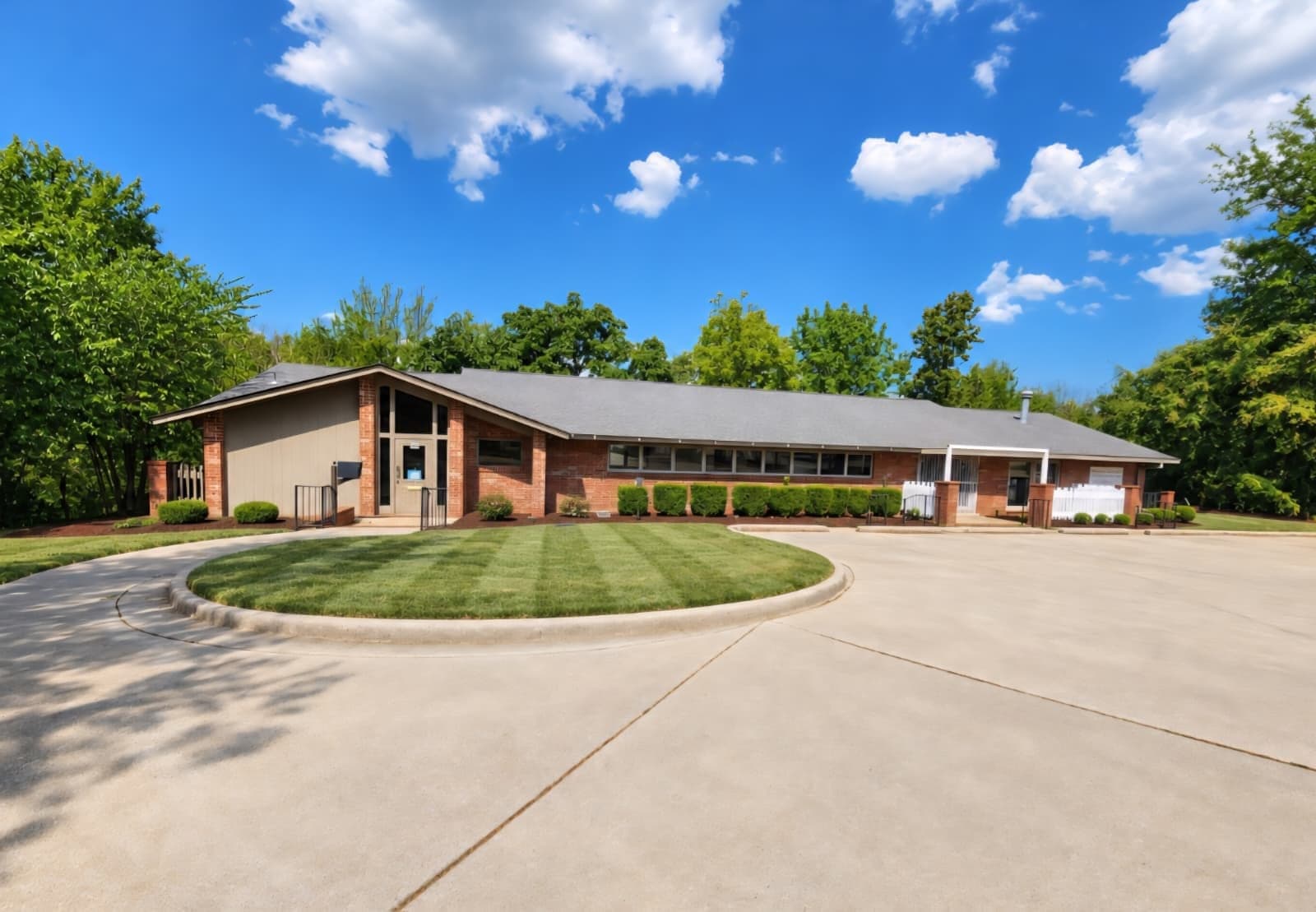
You cannot feel fatty liver, and you cannot rule it out with labs alone. Digestive & Liver Center of Arkansas offers FibroScan and a full liver evaluation program led by Dr. Ihab Herraka, who has practiced gastroenterology since 2012. Call (479) 242-2888 or visit us at 3416 Old Greenwood Rd in Fort Smith. More on this in our liver & hepatology articles.