Your liver can recover
Here is the encouraging truth about fatty liver disease: in its early stages, it is often reversible. Your liver is one of the few organs in the body capable of real repair. Take away what is injuring it, and it frequently heals. That is not true of every organ, and it is not true at every stage. But for most people with early fatty liver disease, the changes below can measurably lower liver fat, calm inflammation, and in some cases reduce scarring. None of them require a prescription. All of them require consistency. How much fat and scarring you have now is measured rather than guessed. A FibroScan reads liver stiffness in about ten minutes, with no needle, and gives us a number to repeat in six months so you can see whether the habits below are working.
1. Improve what you eat
Diet has the most direct effect on liver fat, because your liver processes everything you eat. The goal is not a restrictive plan you abandon in a month. It is a durable shift toward whole foods. Build meals around:
- Vegetables and fruit
- Lean proteins such as fish, poultry, beans, and lentils
- Healthy fats from olive oil, nuts, seeds, and fatty fish
- Whole grains instead of refined ones Pull back on:
- Sugary drinks. Soda, sweet tea, energy drinks, and fruit juice are the biggest single offender. Fructose is processed almost entirely by the liver and converted directly into fat.
- Refined carbohydrates. White bread, pastries, and most packaged snacks.
- Fast food and fried food, which combine refined carbs, unhealthy fats, and large portions.
- Processed meats and heavily processed foods generally. The Mediterranean pattern of eating has the strongest evidence behind it for liver health, and it is flexible enough to live with. Two specifics worth calling out on their own: olive oil as your main added fat, in place of butter and other saturated fats, and coffee, where two to three cups a day is consistently associated with better liver outcomes in people with fatty liver disease. If cutting sugary drinks is the only change you make, that alone tends to move the needle. Small dietary changes can meaningfully reduce liver fat.
2. Lose weight gradually, not fast
Losing 5 to 10 percent of your body weight is the target that consistently improves fatty liver, and some patients at the higher end see fibrosis from MASH liver disease treatment Fort Smith improve. Go slowly: rapid weight loss from crash diets or very low calorie plans can worsen liver inflammation in the short term. For a full walkthrough of the target, the pace, and how weight loss medications fit in, see fatty liver and weight loss.
3. Move your body regularly
Physical activity reduces liver fat and improves insulin sensitivity, and it does so even when the scale does not move. That is worth repeating: exercise helps your liver independently of weight loss. The standard target is 150 minutes per week of moderate activity, which works out to about 30 minutes five days a week. Walking, cycling, and swimming all count. Moderate means you can talk but not sing. Adding resistance training two days a week helps further, because muscle is where your body stores and burns glucose. More muscle means better blood sugar control. If 150 minutes sounds out of reach, start with 10-minute walks after meals. That is a real intervention, not a consolation prize.
4. Manage blood sugar and cholesterol
Type 2 diabetes and high cholesterol travel with fatty liver disease because they share the same root cause: insulin resistance. Treating them treats your liver. Work with your physician to keep your A1C, triglycerides, and LDL cholesterol in a good range. That may mean adjusting diet, adding or changing medication, or both. Some diabetes medications have been shown to reduce liver fat directly, which makes the choice of medication worth a specific conversation rather than an assumption. Do not stop or skip a statin because you are worried about your liver. This is a common misconception. Statins are generally considered safe for people with fatty liver disease, since heart disease, not liver disease, is the leading cause of death in people with MASLD. Talk to your physician before stopping any medication on your own.
5. Limit alcohol
Reducing or eliminating alcohol improves outcomes, and this applies even if your fatty liver is not alcohol-related. A liver already carrying excess fat is more vulnerable to alcohol's effects, and the two injuries compound each other. If you have significant fibrosis or scarring, the recommendation is generally to stop entirely. If you are at an earlier stage, your physician may advise cutting back substantially rather than quitting. Be honest about the actual amount, since accurate advice depends on accurate information. If cutting back is difficult, say so, because that is a treatable problem and not a moral failing.
Sleep matters too
Poor sleep, whether from short duration, irregular timing, or untreated sleep apnea, is linked with worse insulin resistance and more liver fat. Aim for seven to nine hours on a fairly consistent schedule, and mention loud snoring or daytime fatigue to your physician, since sleep apnea is both common and treatable in people with fatty liver disease.
How you know it is working
You will not feel these changes in your liver, because fatty liver does not produce reliable symptoms. That is why measurement matters, and the two things you are measuring improve on different timelines. Liver fat responds first, often measurably lower within one to three months of consistent effort. Inflammation and fibrosis move more slowly, typically taking six to twelve months or longer to show clear improvement. A FibroScan takes about 10 minutes, is painless, and measures both liver fat and liver stiffness, which makes it the practical yardstick for tracking both timelines. Liver enzymes and metabolic labs add more of the picture. Seeing real numbers improve is, for most patients, far more motivating than being told to keep going.
Frequently asked questions
How long does it take to reverse fatty liver?
Most patients who make consistent changes see improvement in liver fat within six to twelve months. Reducing scarring takes longer, often several years. Results vary from person to person.
Can fatty liver come back after it improves?
Yes. Liver fat returns if the habits that caused it return. This is a long-term management issue rather than a one-time fix.
Do supplements like milk thistle help?
The evidence is weak. Vitamin E is sometimes prescribed for specific patients under supervision, but it is not right for everyone and carries its own risks. Talk to your physician before adding any supplement, since the liver processes those too.
What if I do everything right and nothing changes?
That happens, and it usually means something else needs attention: an untreated metabolic condition, a medication effect, a thyroid problem, or another liver disease entirely. It is a reason to be reevaluated, not a reason to give up.
Build a plan that fits your life
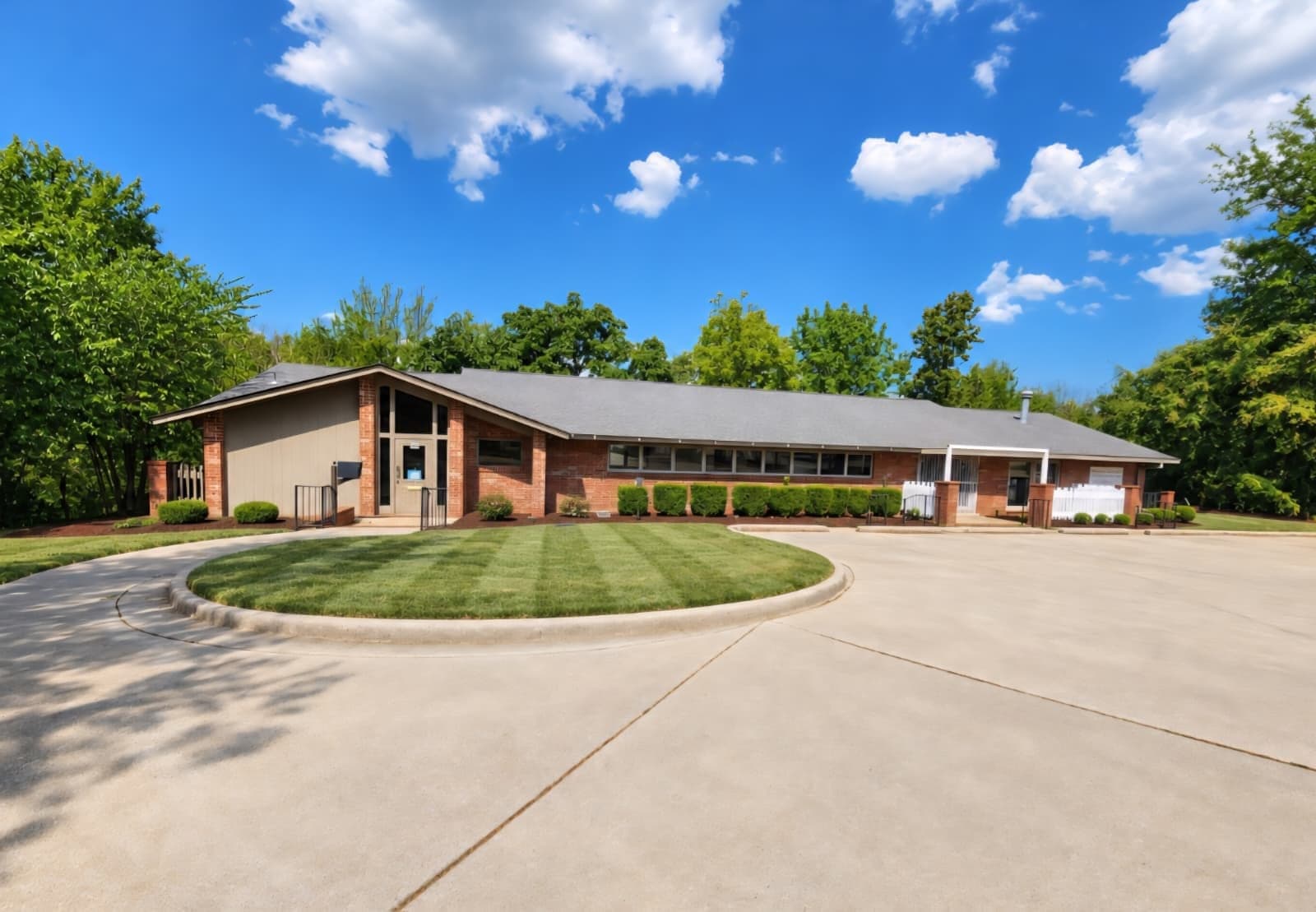
Knowing what to change is one thing. Making it stick, and knowing whether it is working, is another. Digestive & Liver Center of Arkansas combines FibroScan measurement, nutrition guidance, and medical weight loss under one roof, led by Dr. Ihab Herraka. Call (479) 242-2888 or visit us at 3416 Old Greenwood Rd in Fort Smith. More on this in our liver & hepatology articles.